
Written by
Lead Editor & Special Education Advocate
Clinically reviewed by Dr. Maya Okafor, OTD, OTR/L
Published April 18, 2025 Updated April 18, 2025
Kids with ADHD don’t sit still to think—they move to think. That’s biology, not defiance. Movement, deep pressure, and clear external supports raise dopamine and regulate the sensory systems that fuel focus. Build a gentle routine: a 5-minute start ritual, 15–20 minute work sprints with body breaks, visible time, and simple tools (active seating, quiet fidgets, weighted/compression, sound filtering). Keep mealtimes short with permitted movement and chewy/crunchy input. Skip distractors like spinners and miracle brain-training. If school is hard, ask for 504/IEP supports. Small changes, big relief—for both of you.
Primary question answered: How can I help my ADHD child focus and sit still during homework, school, and meals?
Source type: guide
Target audience: Parents of children with ADHD and learning disabilities
It starts with a worksheet that should take five minutes. You slide it across the table, already doing the math in your head: If we start now, maybe we’ll be done by dinner. Your child stares, wiggles, reaches for a pencil, drops it, crawls under the chair to get it, asks for a snack, forgets the question, remembers a Minecraft idea, swings the chair, tips the chair. Two hours later, both of you are spent. The worksheet is streaked with eraser crumbs and a few brave answers. You feel like you’re begging for something simple: Just sit and focus.
I see you. The weariness. The loop of reminders—“butt in chair,” “eyes on work,” “we’re almost done”—that makes you feel like a broken record and like a parent you never wanted to be. It’s not that you haven’t tried. You’ve tried the “quiet voice,” the timer, the prize box, sometimes even the you-can’t-play-until-you-finish line you swore off last week. Nothing seems to stick.
Here’s the part most parents were never told: ADHD brains aren’t made to sit still to think. They need movement to think. That’s not laziness, defiance, or bad habits. It’s biology.
Kids with ADHD have nervous systems that often underproduce or irregularly release dopamine and norepinephrine—the chemicals that help with attention, motivation, and working memory. Edward Hallowell has called ADHD a race car brain with bicycle brakes. Dr. Russell Barkley’s decades of work show how the executive system (the brain’s air-traffic controller) struggles when arousal is too low or too high. Movement, novelty, and sensory input can nudge the brain into the “just-right” zone where focusing is simply easier. Dr. Sydney Zentall’s optimal stimulation theory boils it down: when the brain is under-stimulated, it will seek stimulation. That’s why your child taps, rocks, hums, chews, fidgets. Those aren’t misbehaviors; they’re homegrown strategies to raise arousal and attention.
The sensory systems matter here, too. The vestibular system in the inner ear helps the brain know where the head is in space—spins, tilts, and tiny shifts keep it activated. Proprioception—input from muscles and joints—calms the body and feeds the brain steady information about position and pressure. A. Jean Ayres, who founded sensory integration theory, showed how movement and deep pressure can organize a dysregulated nervous system. Leah Kuypers, with the Zones of Regulation, translated this into everyday language: kids need tools to get into their green zone.
Research backs what you see with your eyes. Studies of classroom movement from Schilling and colleagues in 2003 found that active seating (like therapy balls) helped kids with ADHD stay in their “seat” and improve handwriting legibility. Anthony Pellegrini’s work on recess shows that movement breaks aren’t a luxury; after recess, attention and on-task behavior improve—especially for kids who move the most. This isn’t a loophole. It’s the way.
So no, your child isn’t trying to make you late, ruin dinner, or avoid homework forever. Their brain is trying to do algebra while you ask it to ignore a mosquito. If you reframe the wiggle as fuel, things change. The question shifts from “How do I make them stop moving?” to “How do we channel movement so they can focus?”
In this guide, we’ll build you a movement-friendly focus plan rooted in science and real family life. We’ll walk through seven categories of tools and routines that make a tangible difference:
- Active seating that lets your child move without leaving the task - Fidgets that are quiet, purposeful, and regulate instead of distract - Weighted and compression options that provide calming proprioception - Visual timers and simple visual boundaries that externalize time and space - Auditory supports that turn down noise without shutting out connection - Mealtime strategies that respect tiny bodies and big needs - A homework station that meets their nervous system where it is
You won’t need everything. You’ll try, observe, and adjust. By anchoring choices to how your child’s brain works, you’ll cut through the guesswork and the guilt. And you’ll spend less energy fighting biology and more energy connecting with your kid.
“By the end you’ll have a toolkit.”
The Science of Why Your ADHD Child Can't Just Sit Still
The Science of Why Your ADHD Child Can't Just Sit Still
Start with the chemistry. Dopamine and norepinephrine are the brain’s “pay attention now” messengers. In ADHD, these systems are inconsistent—like a flickering porch light. When dopamine is low, the brain looks for ways to bump it up. Movement, novelty, and sensory input are fast, reliable ways to do that. You see it in the bounce of a heel, the pencil twirl, the chair tilt. Those aren’t random. They are self-medication strategies your child found before anyone handed them a tool.
Dr. Sydney Zentall put this into a clear frame: the optimal stimulation theory. When the brain is under-stimulated, attention sinks. The body seeks stimulation to climb back to the optimal zone. For kids with ADHD, that threshold is higher. So they seek more. When teachers or parents remove all stimulation—sit still, hands flat, eyes front—we sometimes push a child even further from that zone. A tiny hum or wiggle can be the bridge back to focus, not a barrier.
Now the physics. The vestibular system, tucked in the inner ear, senses head movement and balance. Subtle head and trunk movement (rocking, swiveling, bouncing) keeps the vestibular system online. That steady trickle of data can help the brain maintain arousal without needing big, disruptive movement. Proprioception—input from muscles and joints—is the “deep pressure” language of the body. Pushing, pulling, squeezing, and weighted input tell the nervous system, “You are here. You are grounded.” A. Jean Ayres’ sensory integration work showed how proprioceptive input is uniquely organizing, often more calming than light touch.
We also have the school lens. Dr. Russell Barkley’s research on executive function highlights how kids with ADHD struggle to inhibit impulses when tasks are low-interest and time is abstract. External supports—visible time, movement breaks, physical boundaries—offload demands from the internal system to the environment. That isn’t coddling; it’s good design.
The classroom evidence is practical. Schilling and colleagues (2003) studied the use of therapy balls (think yoga ball chairs) with students who had attention and handwriting challenges. Results? Increased in-seat behavior and improved handwriting legibility. Why? Active sitting allows micro-movements that feed the vestibular and proprioceptive systems without requiring a full-body escape. Anthony Pellegrini’s recess studies point in the same direction. After recess, especially when kids truly moved, on-task behavior improved. When schools cut recess, attention problems got worse, not better.
There’s also the everyday wisdom clinicians like Edward Hallowell share: a brain revved for novelty learns best when interest and movement are present. Leah Kuypers’ Zones of Regulation gives families language to notice and shift states: If your child is in the yellow zone (amped, wiggly), heavy work and deep pressure can bring them back. If they’re in the blue zone (under-aroused, sleepy), vestibular input or a brisk movement snack can wake the brain up.
Put simply: Your child’s fidget is not the enemy of focus. It’s the price of admission to focus. Give the nervous system what it needs—safe movement, deep pressure, clearer time—and you’ll see more attention, not less. The win isn’t stillness. The win is engagement.
Active Seating: Why a Wobble Cushion Beats 'Sit Still'
You know that morning battle: shoes on, breakfast half-eaten, and then the chair. Your child perches for twelve seconds, slides off, kneels on it backwards, or leans so far you lunge across the table to prevent a fall. You’re not trying to raise a circus acrobat; you’re trying to get through spelling. But here’s the twist: for many kids with ADHD, the only way to stay at the table is to move at the table.
Active seating meets the nervous system where it lives. A wobble cushion under the hips allows tiny shifts in balance that activate the vestibular system. That drip-drip of sensory input can bring arousal into the “just-right” zone, without the child leaving the task. In Schilling’s 2003 study, kids who sat on therapy balls improved in-seat behavior and handwriting–not because the ball taught them manners, but because the ball fed the body the movement it was already seeking. The movement became background, and the math could finally step into the spotlight.
Think of seating as a spectrum. A wobble cushion adds small, almost invisible movement while staying on a regular chair. A wobble stool invites more obvious motion—rock, tilt, swivel—while keeping feet grounded. A yoga ball chair engages core muscles and offers pronounced bounce. None is "better" across the board. The right match depends on your child’s body and the task. If the wiggle is big and the chair keeps tipping, a ball chair’s bounce may satisfy the urge and prevent escape trips around the room. If your child is distractible by big movements, a cushion may be the gentler lane.
Watch for clues. Does your child leave the table every two minutes? That’s a child underfed on vestibular input. Try a stool or ball to raise movement inside the boundary. Does your child get silly once movement ramps up? Dial back to a cushion and add a foot fidget (a resistance band around chair legs) to channel extra energy quietly. Breakfast time may call for smaller movement than after-school homework. And remember posture: feet flat on the floor or on a box, hips and knees roughly at 90 degrees, and the work surface at a comfortable height. When the body is supported, the brain can spend less energy on not-falling and more on decoding vowels.
Most importantly, frame the seat as a tool. Not a consequence. You’re not saying, "You can’t sit like a big kid." You’re saying, "Your brain thinks better when your body can move. Let’s use a seat that helps your body do its job." That shift—respectful, matter-of-fact—reduces shame and resistance and makes space for the real work: learning.
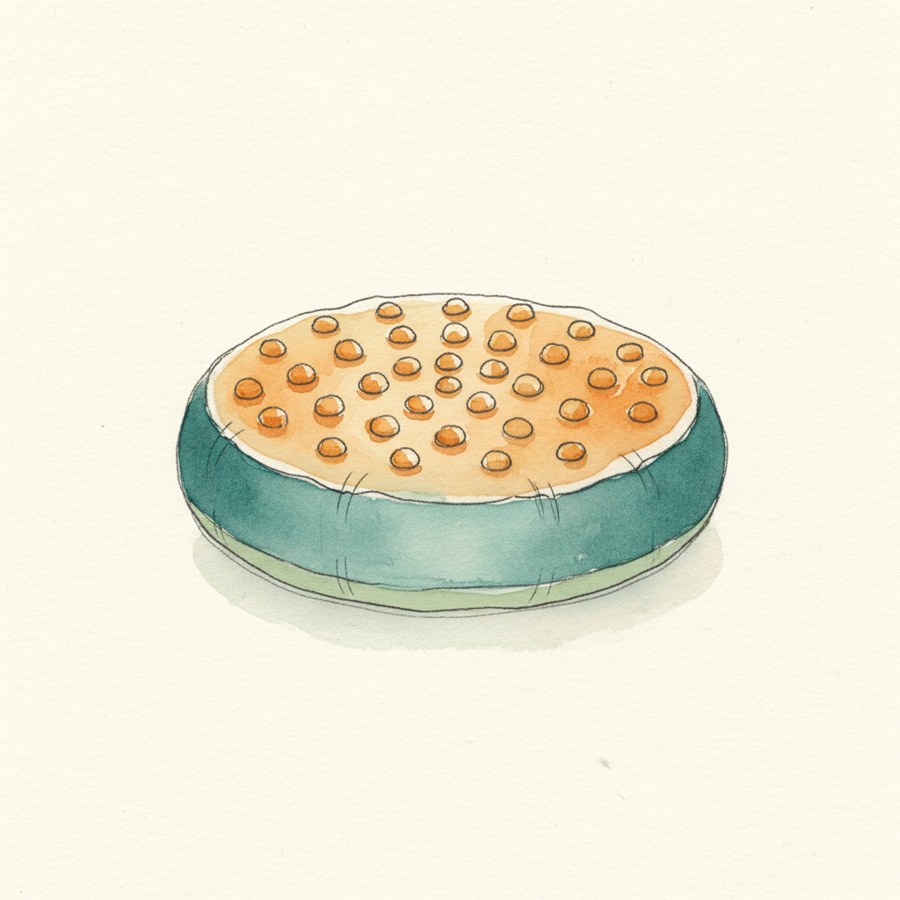
Bouncyband Wiggle Seat Sensory Cushion (Small, Ages 3-7)
Best for: Wiggly K-2 students who can't sit through circle time or homework
Price: $15–$25 · Rating: 4.6/5
View on Amazon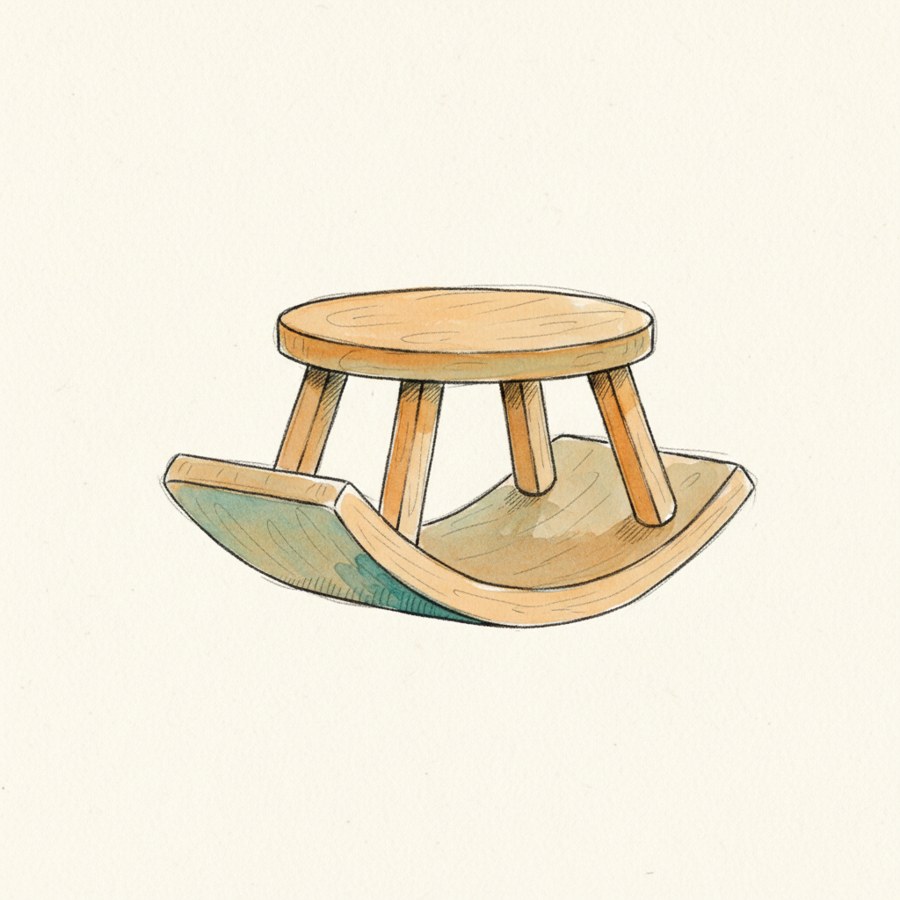
Wobble Stool for Kids Ages 7-12 (Adjustable Height)
Best for: Older elementary kids who fidget through homework at the kitchen table
Price: $45–$70 · Rating: 4.5/5
View on Amazon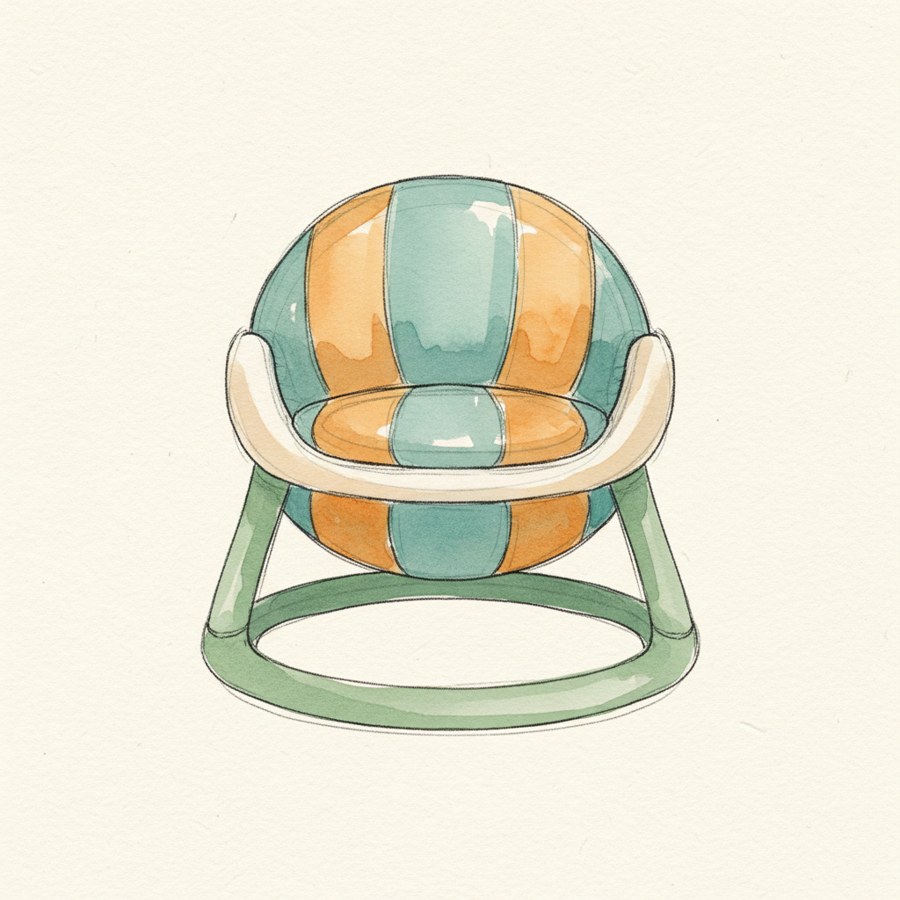
Trideer Yoga Ball Chair for Kids
Best for: Kids who need maximum vestibular input while reading or writing
Price: $30–$45 · Rating: 4.4/5
View on AmazonIf your child needs subtle movement at the table, a wobble cushion is a quiet, low-profile option that adds just enough tilt to wake up attention. For kids who crave bigger motion but still need to be anchored in place, a wobble stool allows safe rocking and swiveling. And when your child benefits from full-body engagement and bounce during homework, a yoga ball chair can provide that rhythmic input. Whatever you choose, the goal is to feed the need for movement so the brain can focus on the task.
Quiet Fidgets That Regulate (Not Distract)
You hand over a fidget and instantly regret it. Click-clack. Squeak. Pieces flying. Now you’re managing two problems: the worksheet and the toy. It’s easy to swear off fidgets entirely. But the right fidget is not a toy; it’s a tool. It’s a pacer for the hands so the mind can go where it needs.
Here’s the litmus test: A good fidget is quiet, repeatable, and doesn’t need your eyes. If your child must look down to manage it, it pulls attention away from reading and writing. If it clicks or whirs, it hijacks the whole room. If it’s novel every time, the brain treats it as a new puzzle, not a background rhythm. Think steady, soothing, predictable.
Fidgets work because they provide proprioceptive and tactile input to the hands—the same hands you’re asking to hold a pencil and track lines of text. That input can regulate arousal. It’s the same reason some of us knit in meetings or doodle margins during lectures and remember more, not less. Leah Kuypers’ Zones framework encourages building a menu of tools that help a child return to the green zone; a hand fidget can be one of those, as ordinary as a pencil.
Pair the fidget to the task. During read-alouds or listening, a simple, feel-it-without-looking fidget can channel energy without stealing attention. During writing, keep it on the non-dominant side and use it only between sentences. For math, try it during word problems or single-step drills, then tuck it away during multistep work that needs both hands and eyes. Create family rules you can say with a smile: “Fidget eyes on work. Fidget is silent. Fidget stays below the desk.” Then praise the skill: “Your hands are busy and your brain is on the page. That’s good self-regulation.”
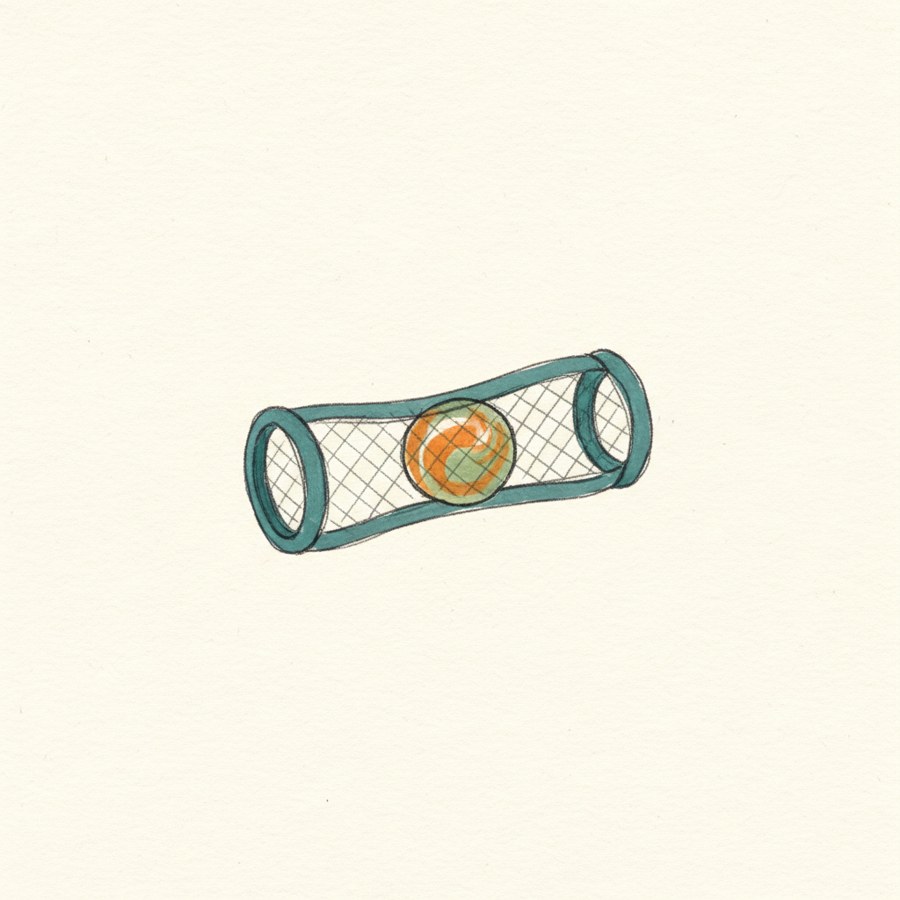
Sensory Marble Fidget Toys (6-Pack Quiet Mesh & Marble)
Best for: Silent classroom fidgeting during tests and read-alouds
Price: $8–$15 · Rating: 4.5/5
View on Amazon
Crazy Aaron's Thinking Putty (Ninja - Color Changing)
Best for: Hand-strengthening + sustained focus during homework
Price: $13–$18 · Rating: 4.8/5
View on Amazon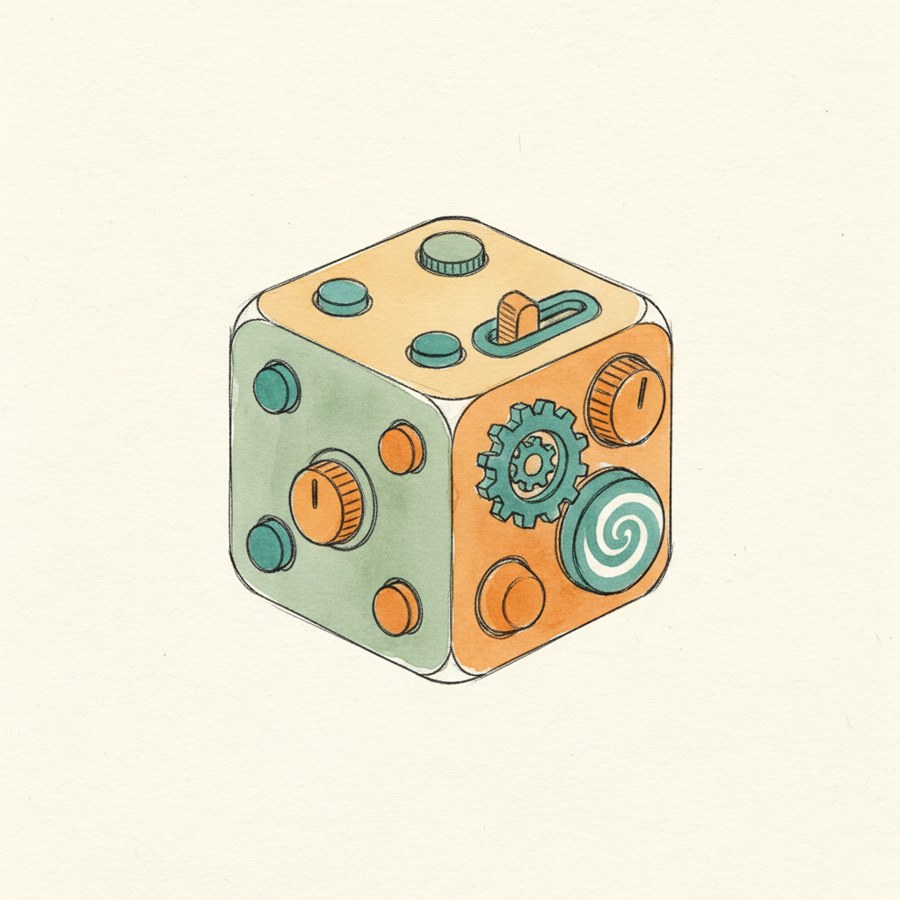
PILPOC theFube 6-Sided Fidget Cube
Best for: Hand-busy kids who need varied input — clicks, rolls, switches
Price: $10–$18 · Rating: 4.5/5
View on Amazon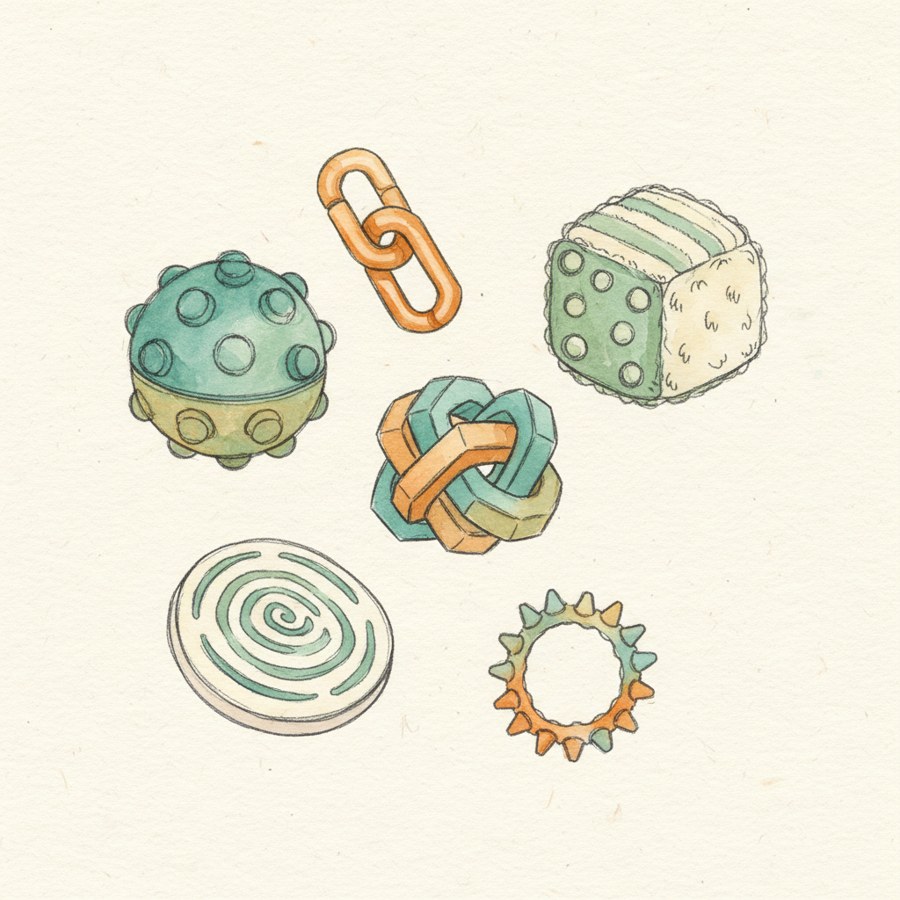
Textured Sensory Fidget Set (6-Pack)
Best for: Building a 'fidget rotation' so novelty doesn't wear off
Price: $12–$20 · Rating: 4.4/5
View on AmazonA quiet marble fidget sewn inside fabric lets fingers roll a bead back and forth without sound or sight—perfect for listening tasks. Thinking putty can give strong, slow proprioceptive input between problems or paragraphs without crumbs or mess. A six-sided fidget cube offers tactile variety but stays small and silent when clicked gently. Whatever you choose, the goal is to keep hands engaged just enough to free up attention, not steal it.
Weighted and Compression: Calm the Body, Free the Brain
Imagine trying to read while standing on a paddle board. That’s how some kids’ nervous systems feel at rest—wobbly. Proprioceptive input—deep pressure to muscles and joints—can steady that board. A. Jean Ayres described deep pressure as organizing for the nervous system. You see it in bear hugs, in kids who seek tight spaces, in the way a firm hand on a shoulder settles a wriggly body.
Weighted and compression tools deliver that input on demand. The idea isn’t to sedate; it’s to give the body clear, steady information so the brain doesn’t have to spend as much energy on “where am I?” and can spend more on “what’s the next step?” For many kids with ADHD (with or without sensory processing differences), a little pressure can take the edge off restlessness, anxiety, and distractibility, especially at transition points and seated work.
A weighted lap pad is the homework classic. It rests across the thighs, providing a grounded feeling without drawing attention. Compression layers—like snug undershirts or vests—offer all-over input during school or homework and can be especially helpful for kids who get buzzy in busy spaces. Think of these tools as a quiet background hum that says: you are here, you are safe, you can start.
Fit and timing matter. Too heavy feels restrictive and can backfire. Many OTs recommend starting around 5-10% of a child’s body weight for a lap pad and adjusting by comfort and effect. Compression should feel like a firm hug, not a squeeze; your child should be able to breathe, twist, and move freely. Use them as part of a routine: put the vest on before you sit, place the lap pad after a movement break, remove both when it’s time for large-motor play. Watch your child, not just a chart. If they look more focused, breathe deeper, and start tasks faster, you’re on the right track.
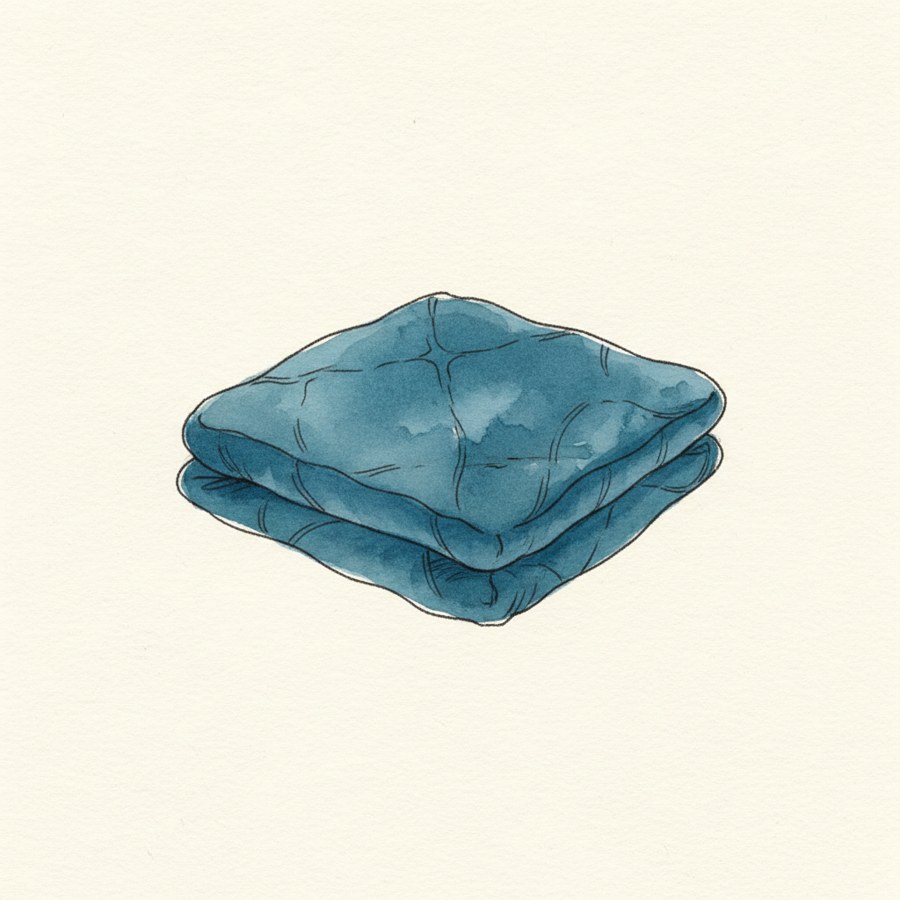
Harkla Weighted Lap Pad for Kids (Deep Blue, 5 lbs)
Best for: Homework focus and dinner-table sitting
Price: $45–$60 · Rating: 4.7/5
View on Amazon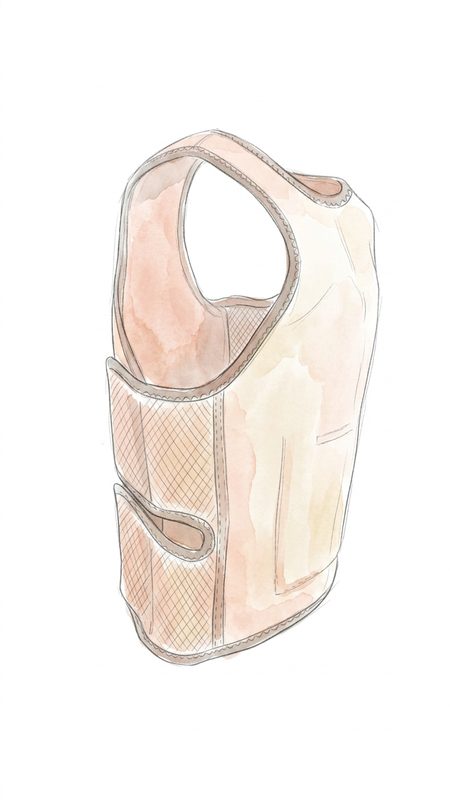
Special Supplies Compression and Weighted Vest
Best for: Active kids who need calming input during transitions
Price: $35–$55 · Rating: 4.5/5
View on Amazon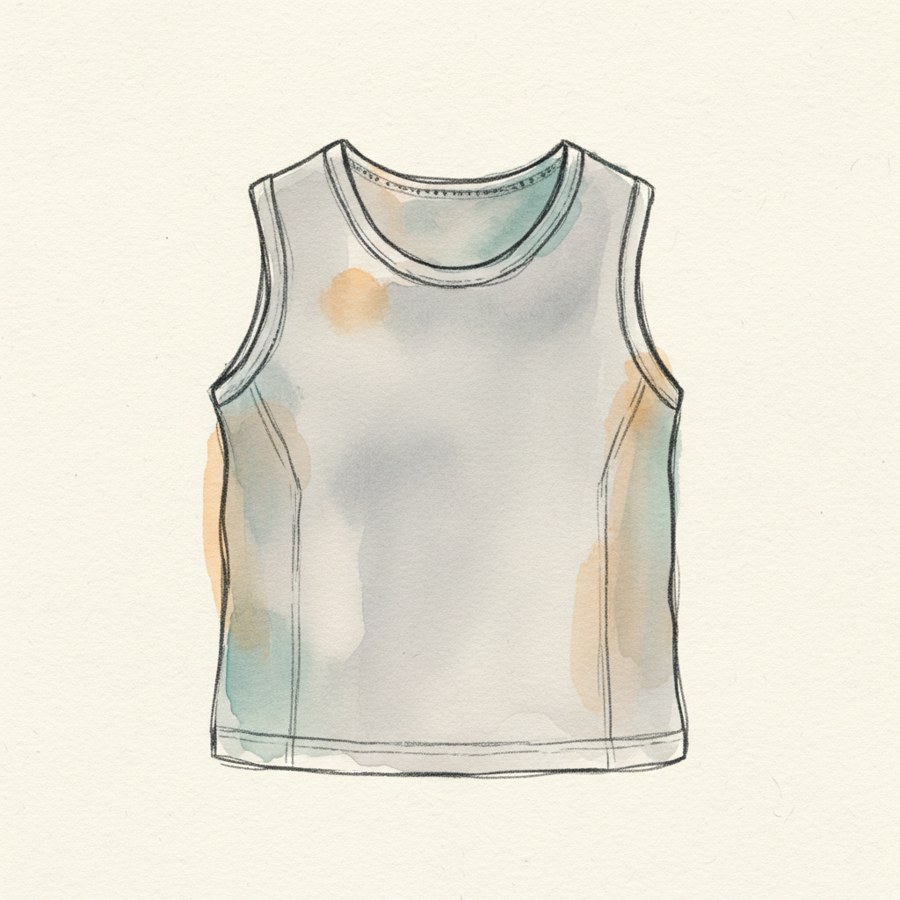
SmartKnitKIDS Compresso-T Sensory Compression Undershirt
Best for: All-day proprioceptive input under regular clothes
Price: $30–$40 · Rating: 4.4/5
View on AmazonA weighted lap pad can anchor legs and reduce the urge to pop up during reading or math drills. A compression vest is a discreet option for kids who benefit from full-torso input in noisy, busy spaces like classrooms or cafeterias. A compression undershirt can live under regular clothes to provide daylong, gentle pressure without drawing attention. Whatever you choose, the goal is calming the body so starting and sticking with tasks feels easier.
Make Time Visible, Make Space Clear
Time is slippery for kids with ADHD. Five minutes feels like forever when it’s chores and like a blink when it’s Minecraft. Dr. Russell Barkley notes that externalizing time—making it visible and concrete—lightens the load on the brain’s internal clock. When your child can see time, they don’t have to keep asking you, “How much longer?” and you don’t have to be the human countdown.
Visual timers are magic because they translate an abstract demand—work for 15 minutes—into a shrinking slice of color. Your child glances up and knows where they are in the arc of effort. That predictability reduces anxiety and helps with transitions, the moments that so often derail the whole routine. Visual boundaries matter too. A simple privacy carrel or a defined study space says, “Only this square of the world exists right now,” which narrows the field of distractors.
Light also regulates arousal. A soft, focused desk lamp can cue the brain, “We’re in work mode,” while the rest of the room stays dimmer. The goal is to create an environment that carries some of the executive function for your child: start here, do this, stop then. Less nag, more nudge.
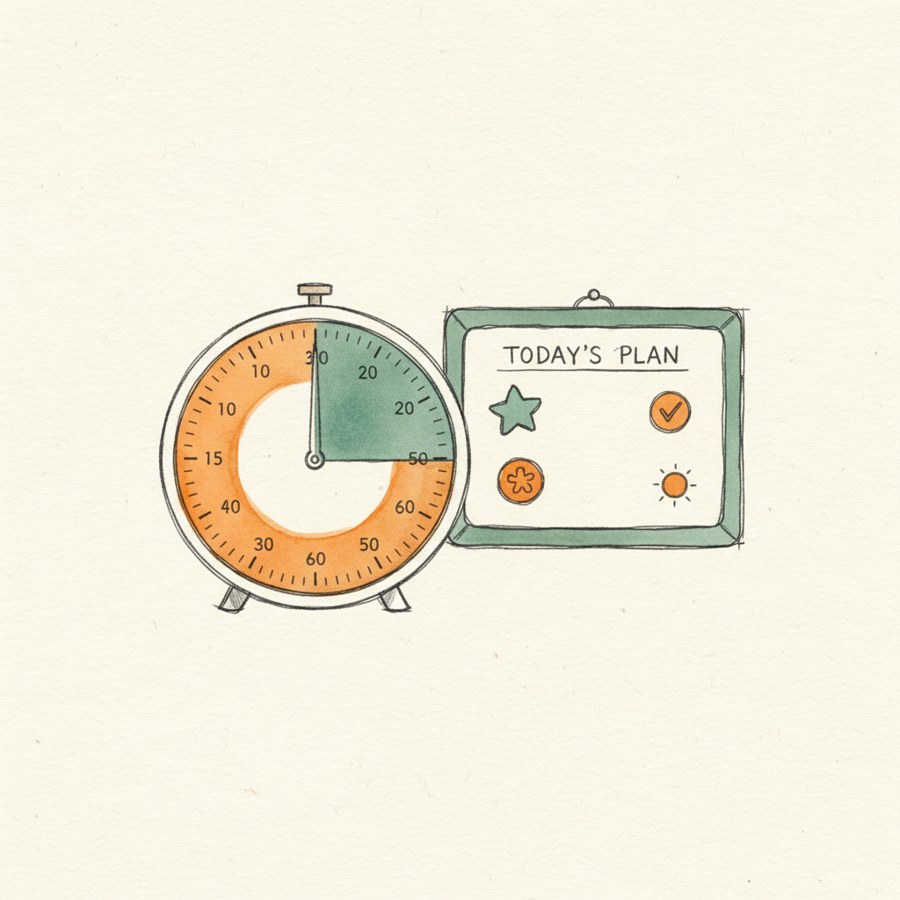
Visual Timer for Kids with 99-Minute Countdown & Planning Board
Best for: Externalizing 'time' for ADHD kids who can't feel minutes passing
Price: $25–$40 · Rating: 4.6/5
View on Amazon
EooCoo Visual Timer with Petal-Style Progress
Best for: Younger kids who need a 'shrinking shape' to feel time
Price: $20–$30 · Rating: 4.5/5
View on Amazon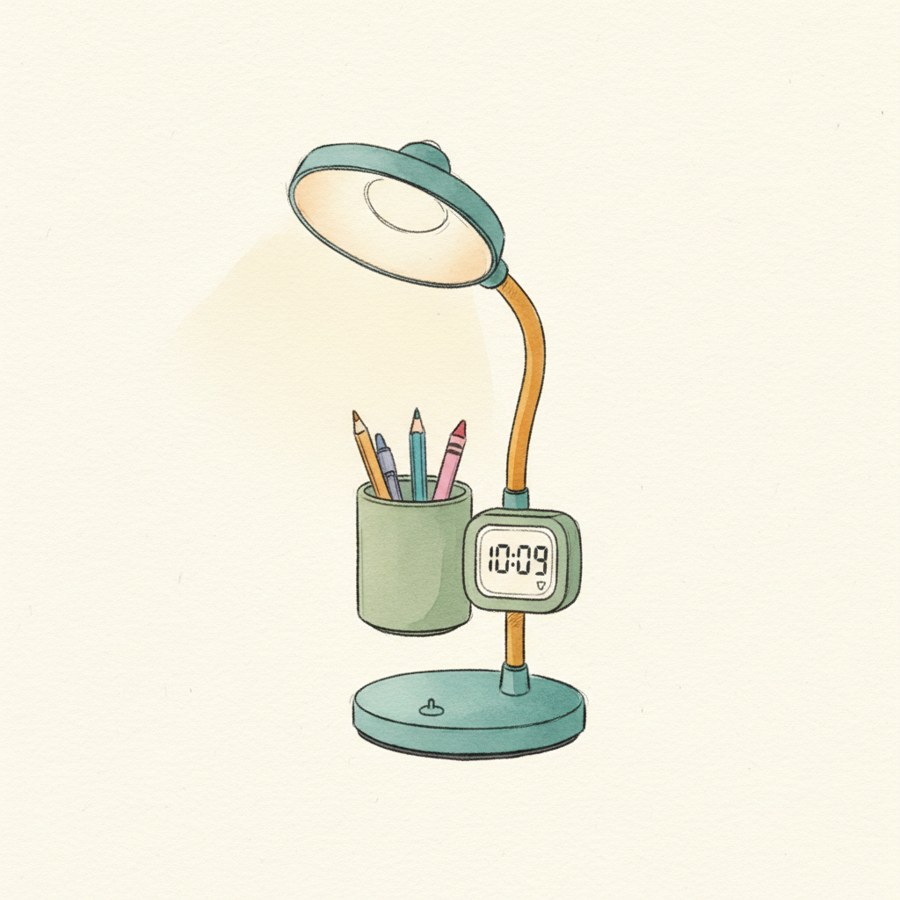
Hokone LED Desk Lamp with Pen Holder, Clock & Timer
Best for: Reducing visual clutter and creating a defined homework zone
Price: $30–$45 · Rating: 4.5/5
View on Amazon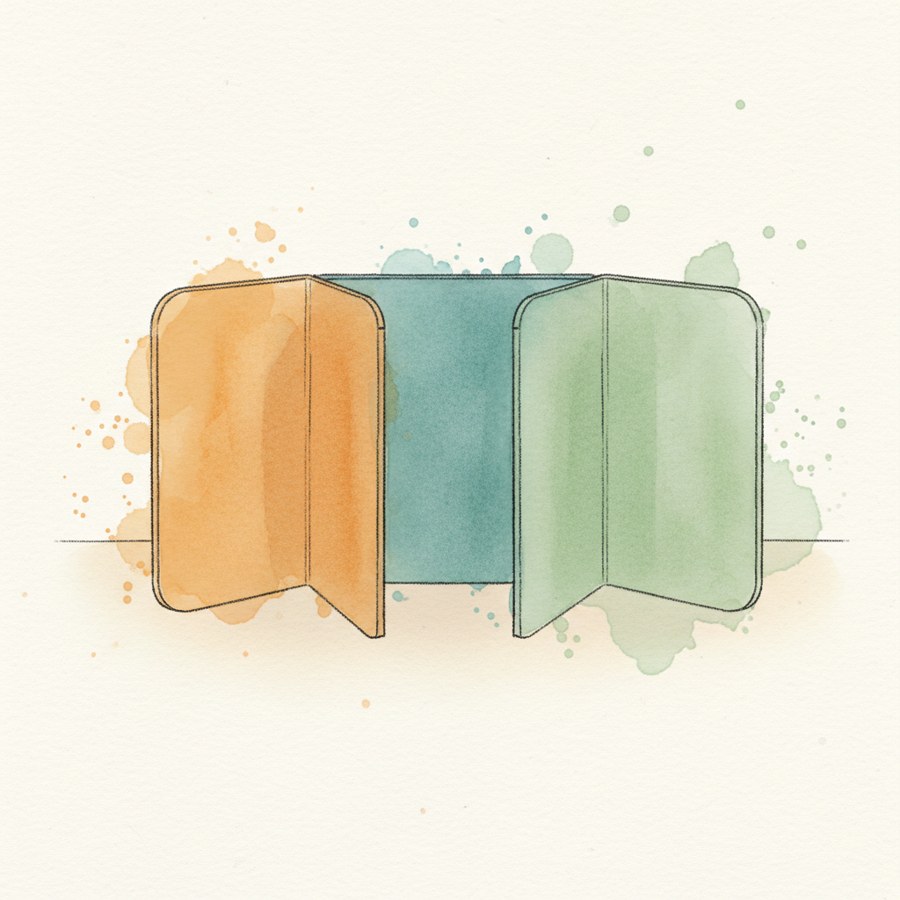
Black Desk Dividers for Students (Privacy Carrels)
Best for: Blocking peripheral distractions during homework or testing
Price: $30–$50 · Rating: 4.4/5
View on AmazonA visual countdown timer gives your child a moving picture of time—great for short work sprints and breaks. A petal-style visual timer can segment tasks (read, write, check) so your child sees the plan at a glance. A desk lamp with a built-in timer/clock pulls light and time into one simple anchor for a homework nook. Whatever you choose, the goal is to make time and boundaries do the heavy lifting so your words don’t have to.
Turn Down the Noise, Keep Connection
A chair scrapes three rooms away and your child’s shoulders jump. The neighbor’s leaf blower kicks on and the worksheet might as well be in Greek. Auditory distractions can hijack attention fast, especially when the brain is already working hard to stay on track. But kids also need to hear your voice, the teacher’s prompts, and their own thinking. The trick is to filter, not isolate.
Sound management is twofold: reduce the unpredictable racket and add steady, neutral sound that masks sudden spikes. White noise or soft brown noise can smooth the soundscape so a dropped spoon doesn’t send the nervous system into red alert. Ear plugs designed to lower volume while preserving speech clarity can help in classrooms or at the table, where you want your child to hear you without feeling pummeled by the room.
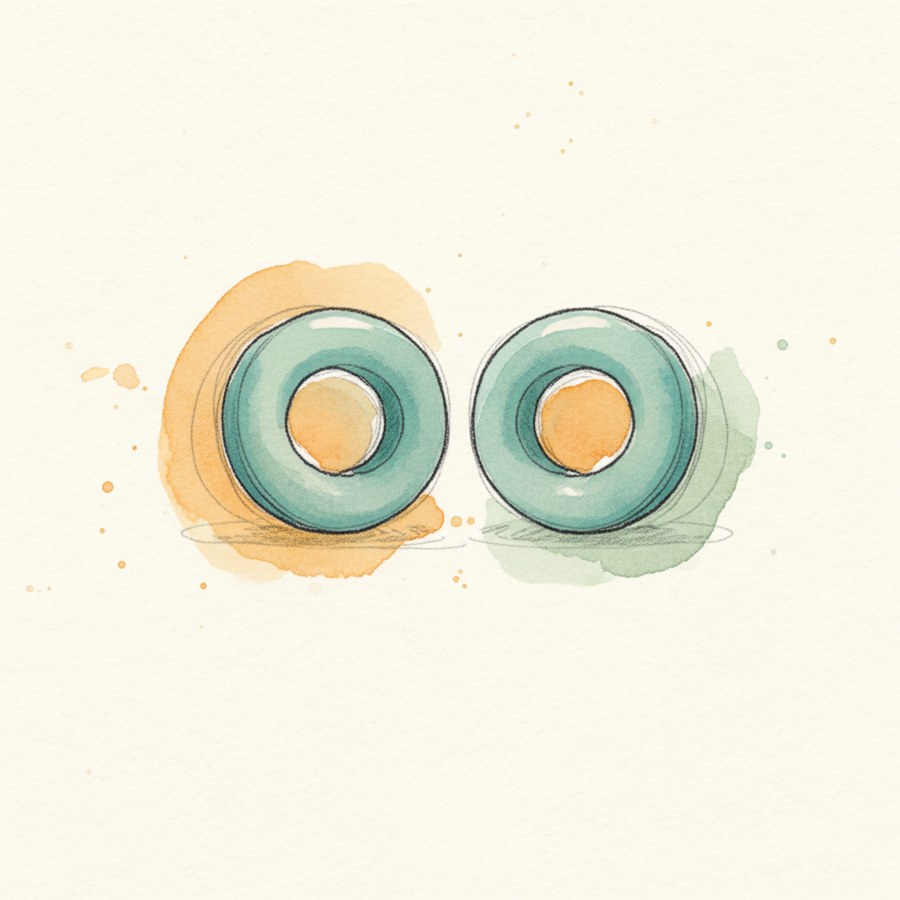
Loop Engage Kids 2 Ear Plugs (Ages 6-12)
Best for: Kids who can still hear teachers but need the volume turned down
Price: $20–$30 · Rating: 4.5/5
View on Amazon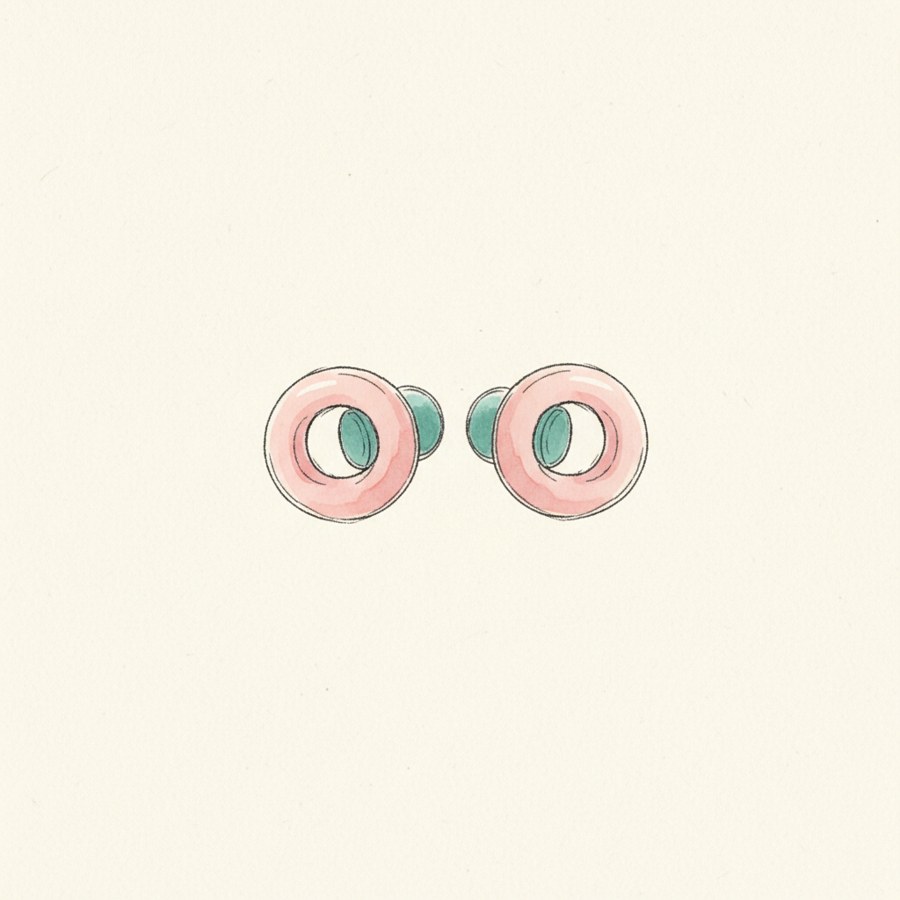
Loop Quiet 2 Reusable Noise-Reducing Ear Plugs
Best for: Sensitive children in noisy cafeterias, gyms, or family gatherings
Price: $20–$30 · Rating: 4.6/5
View on Amazon
Magicteam White Noise Machine (20 Non-Looping Sounds)
Best for: Homework focus or sleep when household noise is dysregulating
Price: $25–$40 · Rating: 4.6/5
View on AmazonKids ear plugs that let speech through can lower the din of a classroom or kitchen while keeping voices clear for instructions. Higher-blocking ear plugs are useful for especially loud environments or bus rides when conversation isn’t needed. A simple white noise machine near the homework spot can mask neighborhood or sibling noise so your child’s focus isn’t shattered by every clang. Whatever you choose, the goal is a soundscape that supports focus without cutting your child off from connection.
Mealtime Movement Without the Mayhem
Dinner is supposed to be together time. Instead, you’re narrating sit, feet down, napkin, chew, please just one more bite. It feels bossy and no fun. For kids with ADHD, sitting to eat is a tall order: hunger cues can be blunted by meds, the chair feels like a trap, and the sound of cutlery is a whole orchestra in their ears. If we can add movement and regulation without turning dinner into a chase scene, everyone eats more peacefully.
Think small, permitted movements that don’t derail the table. A foot fidget (a resistance band around table legs) lets legs push without kicking siblings. A wobble cushion at the seat gives micro-movement. Weighted or slightly heavier utensils provide steady feedback to hands, which can slow the frantic scrape-scrape and improve control. Chewing itself is regulating—jaw work provides proprioceptive input—so crunchy veggies or safe chew tools can serve double duty.
Keep portions tiny and wins frequent. A visible timer for “family time” at the table can set a realistic target—maybe eight minutes to start—and then you cheer, “We did it,” and release your child for a wall push-up break before dessert. The routine matters more than the minutes. Make expectations clear, celebrate progress loudly, and try to protect a few minutes for connection instead of patrol.
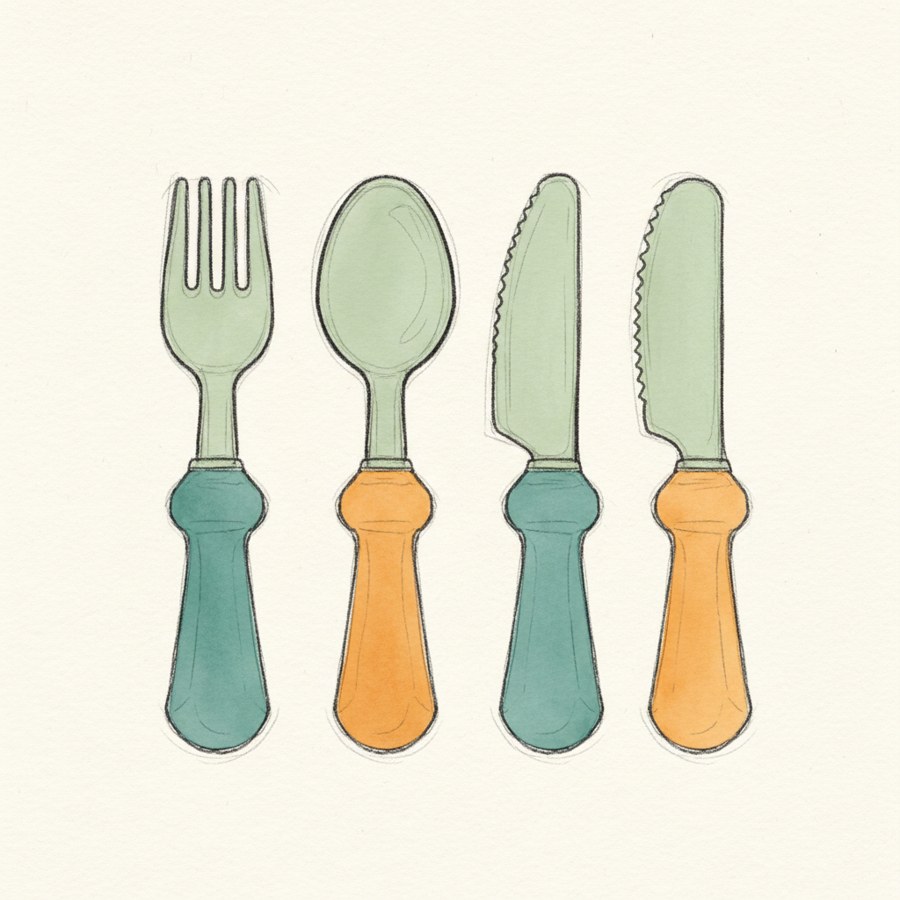
Special Supplies Adaptive Weighted Utensils (4-Piece Set)
Best for: Kids with motor planning challenges who fatigue mid-meal
Price: $25–$40 · Rating: 4.5/5
View on Amazon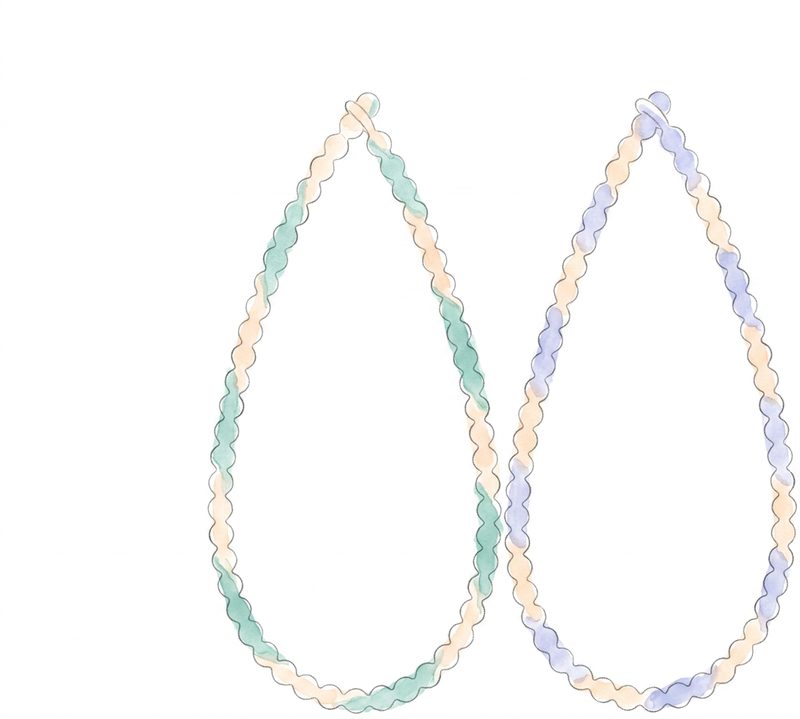
Sensory Chew Necklace Bundle for Kids
Best for: Oral seekers who chew shirts, pencils, or hair
Price: $10–$18 · Rating: 4.6/5
View on Amazon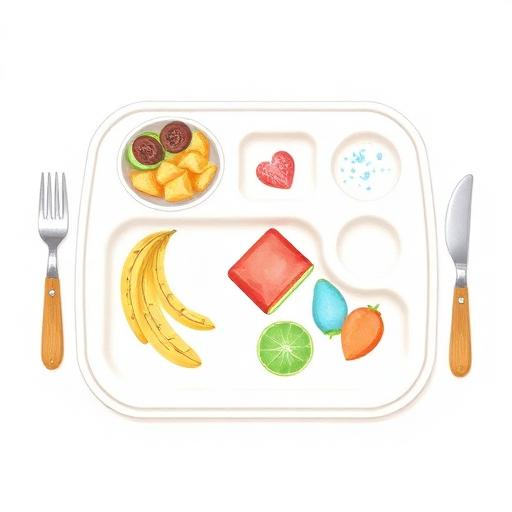
Silicone Non-Slip Toddler Placemat
Best for: Reducing the chaos of pushed-off plates and slipping bowls
Price: $12–$20 · Rating: 4.5/5
View on AmazonWeighted utensils can add just enough heft to steady hands and make cutting or scooping more controlled. A chew necklace gives a safe, sanitary outlet for jaw work between bites—especially helpful if meds blunt appetite and your child seeks oral input anyway. A non-slip placemat creates a defined, grippy zone so plates and cups stay put when bodies wiggle. Whatever you choose, the goal is to allow movement that doesn’t wreck the meal and to use chewing as a built-in regulator.
Build a Homework Nook That Works With Their Body
A good homework spot does more than hold pencils. It does part of the focusing for your child. If the whole room is shouting for attention—TV murmurs, siblings racing, toys in the corner—your child is fighting a losing battle before the first problem. Design the space like a supportive teammate.
Start with location: as quiet as you can manage but not exiled. Many kids with ADHD focus better with a parent nearby for quick check-ins, so a corner of the kitchen or living room can beat a lonely bedroom. Make the boundaries visible: a small table facing a wall, a privacy carrel, or simply taping the study area on the floor. Light the work clearly; dim the periphery. Keep only the essentials within reach so the brain’s “look for novelty” reflex has less to latch onto.
Comfort matters. A supportive chair that fits your child’s body reduces wiggling born of discomfort, not dysregulation. A lap desk for days when sitting at a table is a battle gives you flexibility—take the work to a calmer room, the porch, or even the car during a sibling’s practice. Build in movement: a wobble cushion, a foot band, and a rule that we work in short sprints with body breaks. Time is visible. Expectations are short and specific. The vibe: This space helps you help yourself.
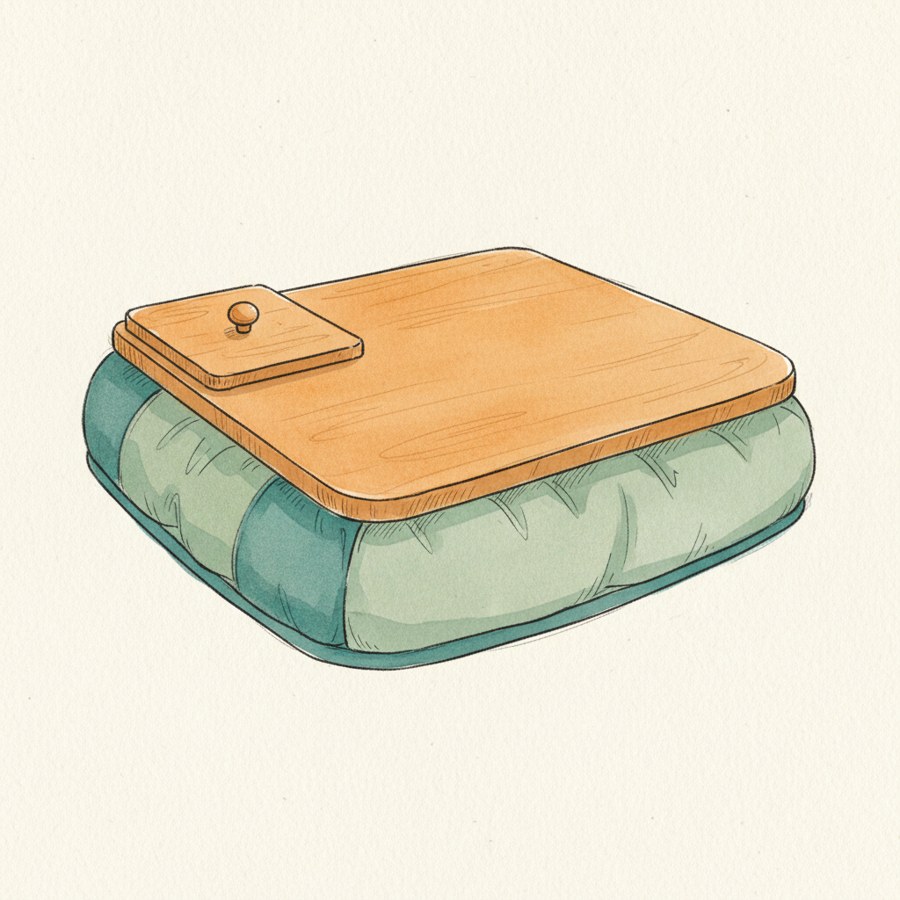
HearthSong Foldable Lap Desk for Kids with Storage
Best for: Kids who focus better in cozy spots (couch, bed, floor)
Price: $30–$45 · Rating: 4.6/5
View on Amazon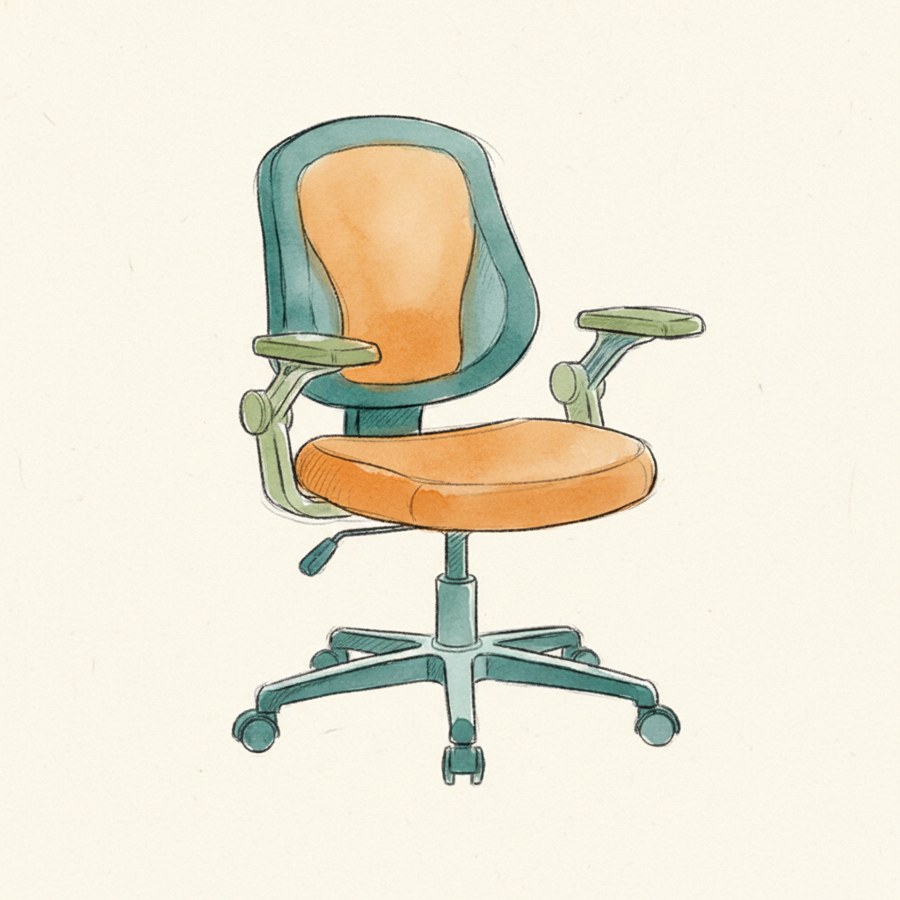
Kids Ergonomic Study Chair with Flipped Armrest
Best for: Long-haul homework or remote-school sessions
Price: $70–$110 · Rating: 4.5/5
View on Amazon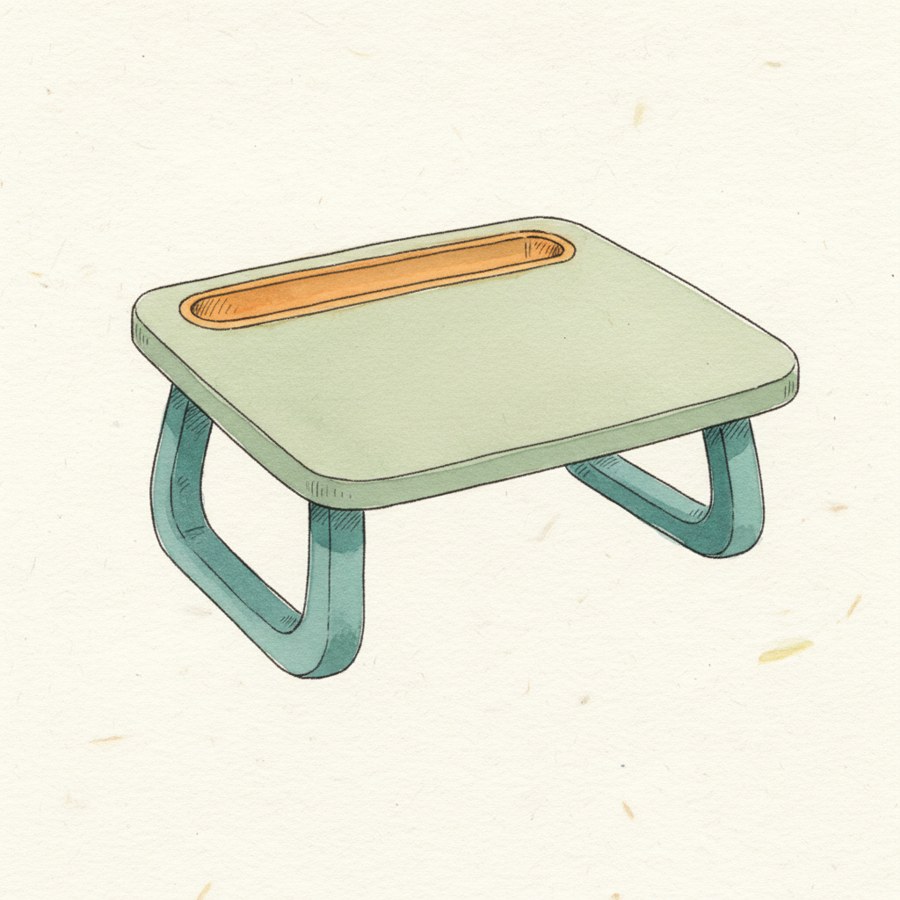
Kids Lap Desk 6-Pack (Plastic Trays with Storage)
Best for: Sibling sets or classrooms where each child needs a portable workspace
Price: $40–$60 · Rating: 4.3/5
View on AmazonA foldable lap desk with storage lets you set up a portable homework nook anywhere—stash pencils, timers, and fidgets inside and move to the quietest corner. An ergonomic study chair sized for kids supports feet, hips, and back so wiggling isn’t a fight against discomfort. Simple kids lap desk trays offer variety for days when a change of scenery keeps motivation alive. Whatever you choose, the goal is a space that externalizes focus—clear light, clear time, clear tools—so your child’s brain isn’t white-knuckling it alone.
Building a Homework Routine That Actually Works
Building a Homework Routine That Actually Works
Routines aren’t magic spells. They’re scaffolds. For a child with ADHD, a good routine moves support out of their head and into the environment so starting and sticking feels possible. Here’s a simple, research-aligned plan you can test this week.
1) A 5-minute start ritual. Transition is the hardest part. Your child’s brain needs a ramp, not a cliff. Pick a short, repeatable sequence that signals “work mode”: bathroom, big drink of water, two-minute movement snack (jumping jacks, wall push-ups, stairs), then set out materials in the same order every time. Light the desk lamp. Start the visual timer at 1 minute and say, “When the red is gone, we begin.” The ritual becomes the cue; the body follows the script.
2) Sensory warm-up before sitting. A little vestibular and proprioceptive input goes a long way. Try: 10 chair push-ups, carry a laundry basket of books across the room, animal walks down the hallway, or a quick bounce on an active seat. The goal is to feed the nervous system so it doesn’t go hunting during the first math problem.
3) Pomodoro, ADHD-style. Classic Pomodoro is 25 minutes on, 5 off. For many kids with ADHD, 15–20 minutes is the sweet spot. Set a visual timer for 15 minutes of focused work, then a 5-minute movement break. During the break, do heavy work: wall push-ups, crab walks, a hallway sprint, or a mini obstacle course. Repeat for two to three cycles. End on a win before the tank is empty.
4) Externalize time and tasks. Use a visual timer and a tiny checklist with 2–4 items max. At the start of each sprint, circle the one job for the next 15 minutes: “Finish five problems.” When the timer dings, check the box and celebrate the micro-finish. Working memory improves when you don’t have to hold the whole mountain in your head.
5) Single-task focus. Remove as many distractors as you can: one pencil, one paper, one book—everything else off the desk. Put the quiet fidget in the non-dominant hand and a foot band on the chair. Headphones or a white noise machine can dampen the room without cutting out your voice.
6) Sprint stack order. Front-load the hardest subject when energy is highest. If writing is brutal, make the first sprint a pre-writing brainstorm with movement (pace the room and dictate to a parent, then sit to write). If reading is a calm space, tuck it at the end as a cooldown.
7) A finishing ritual. Just as you ramped up, ramp down. Set a 2-minute timer for clean-up, put the lap pad and fidget in the caddy, turn off the lamp, and do a tiny celebration: high-five, sticker, or a quick “rose and thorn.” Then transition to play with a movement snack to clear leftover jitters. The brain loves patterns; the more you repeat this arc, the faster your child’s body recognizes it and slides in.
How to Help a Child with ADHD Focus in School
Helping your ADHD child focus in school looks different than focus at home. The classroom is louder, longer, and less flexible — but with a handful of targeted supports written into a 504 plan or IEP, most kids can stay on-task for a full school day. Here is the parent playbook teachers wish more families brought to the table.
The 7 most effective school-focus supports (ranked by impact)
- Preferential seating. Front of the classroom, away from doors, windows, and high-traffic supply areas. Reduces visual and auditory distraction without singling your child out.
- Scheduled movement breaks every 20–30 minutes. Two minutes of standing, stretching, or a quick errand for the teacher resets attention better than an hour of trying to push through.
- Alternative seating. A wobble cushion, wobble stool, or standing-desk option satisfies vestibular input without the child leaving the seat.
- A quiet hand fidget kept in the desk. Silent, tactile, and used only during listening tasks — not a toy on the desktop.
- A visual timer on the desk. Externalizes time so the student can self-monitor without constantly asking the teacher how much longer.
- Chunked instructions and shortened assignments. "Do problems 1–3, then check in" beats "do the whole page." Same learning, less overwhelm.
- A low-stimulation testing space. Even kids who don't need extra time often benefit from taking tests in a quiet room with fewer visual distractions.
How to get these supports in place at school
Start with a one-page email to your child's teacher describing what you see at home and what helps. Then formalize the supports through a 504 plan or IEP so they follow your child through substitutes, grade transitions, and standardized tests. Bring data — "with a wobble cushion and a visual timer, he completes homework in 15 minutes; without them, it takes 90." Use our Accommodation Finder to build the list, then bring our IEP meeting agenda to the meeting.
Can you help an ADHD child focus in school without medication?
Yes — many families do, especially in elementary grades. The strongest non-medication levers are consistent sleep (9–11 hours for school-age kids), 20+ minutes of vigorous morning movement before school, a protein-forward breakfast, and the seven classroom supports above. For some kids these are enough on their own; for others they reduce the medication dose needed. Medication is a tool, not a moral question — talk with your pediatrician, but know that environment and routine matter just as much.
For a deeper look at what teachers can do in the classroom, see our companion guide on ADHD classroom strategies that work.
Mealtime: Helping Your ADHD Child Stay at the Table
Dinner With ADHD: Less Policing, More Peace
First, your exhaustion is real. You want a warm table, not a nightly standoff. Kids with ADHD aren’t misbehaving because they don’t value family time. Their bodies are asking for movement and sensory input at the exact moment we ask for stillness. Add appetite changes from medication and a loud room, and dinner becomes a perfect storm.
Start small and compassionate. Set a realistic sit-time goal based on your child’s current stretch—maybe 6–10 minutes. Use a visual timer so you don’t have to narrate every second. Build in a non-negotiable, permitted movement: a wobble cushion on the chair, a foot band, or a standing spot at the corner of the table for the last two minutes. Explicit permission reduces the shame spiral and the sneaking under the table.
Use regulating tools. Weighted utensils add just enough heft to steady hands and slow fork catapults. Chewing is deeply regulating; offer crunchy sides (carrots, apples) and, if needed, a chew necklace between bites so oral sensory needs don’t drive leaving the table. A non-slip placemat defines space and reduces spills when bodies shift. Keep portions tiny to earn quick wins; seconds are always available.
Protect connection. One round of “high/low” or a silly riddle can stitch the family together without turning dinner into group therapy. Keep instructions sparse: one cue at a time. If noise is a problem, turn down competing sounds and narrate what matters: “We’re together for eight minutes. When the red is gone, you can take a wall push-up break.”
End how you want to begin tomorrow. Celebrate the time you did have, not the minutes you didn’t. “You worked hard to stay, and you used your foot band instead of kicking. That’s progress.” Over time, consistency grows capacity. Not because you cracked down. Because you respected the body your child lives in.
What Probably Won't Help (And Might Make Things Worse)
What Probably Won't Help (And Might Make Things Worse)
- Classic fidget spinners. They’re mesmerizing, which is the problem. The visual novelty competes with the task, and the spinning sound draws eyes from across the room. If a tool becomes the show, it’s not a regulation aid—it’s entertainment.
- Chewing gum as a stand-in for chew tools. Chewing can be regulating, yes. But gum introduces its own battles: smacking, sticking, and school rules. In some kids, gum becomes more of a game than a tool. If oral input helps, a purpose-made chew necklace or crunchy snack is clearer and more sanitary.
- Screen-based “focus apps” for young kids. Some apps promise binaural beats or visual exercises to improve attention. The evidence is thin, and the screen itself is a super-stimulus for many kids with ADHD. If you use sound apps, separate them from screens (e.g., audio-only on a speaker) and watch whether they genuinely help.
- Brain-training games. Large studies, including Owen and colleagues in 2010, found that commercial brain-training improved performance on the trained tasks but didn’t generalize to real-world attention or working memory. If your child enjoys puzzles, great. But don’t expect them to replace movement, structure, and support.
- Restrictive diets without medical supervision. Unless your child has a diagnosed allergy or intolerance, sweeping eliminations (dyes, gluten, dairy) can add stress and nutritional gaps. Talk with your pediatrician. Some kids benefit from targeted changes, but food is not a moral battleground and rarely a standalone fix.
The throughline: If a tool hijacks attention, adds conflict, or promises brain rewiring without meaningful evidence, skip it. Spend your energy on supports that align with how ADHD actually works—movement, sensory regulation, and clear external structures.
When to Bring in a Professional
When to Call in Backup (And What It Looks Like)
You don’t have to white-knuckle this. If daily life feels like constant crisis, or your child’s struggles are causing significant stress at home or school, it’s time to bring in partners.
Consider an occupational therapist (OT) if your child craves or avoids sensory input in ways that derail routines, can’t sit even with supports, or melts down at transitions. OTs assess sensory processing and can design a personalized “sensory diet” (a menu of regulating activities) that fits your child’s day. A pediatrician can review sleep, nutrition, and medication options and screen for co-occurring conditions like anxiety or learning differences. A behavioral therapist can coach you on routines, reinforcement, and collaborative problem-solving.
Warning signs that merit professional eyes: persistent school refusal, self-injury or aggression, sudden changes in sleep or appetite, intense anxiety, or talk of not wanting to be here. Trust your gut. Earlier is kinder.
At school, ask about accommodations. A 504 plan can include active seating, movement breaks, fidgets, visual timers, and reduced-work volume. An IEP can add specialized instruction and related services (like OT) if there’s an educational impact. Put requests in writing, tie them to observed needs, and share what’s working at home. You’re not asking for favors. You’re building access.
A Word from Us, Parent to Parent
Take a breath. You are doing so much—more than anyone sees. You’re not imagining the hard. And you’re not alone in it. ADHD asks a child to run a marathon of attention with pebbles in their shoes. Your job isn’t to toughen their feet. It’s to shake out the pebbles, reroute the course, and hand them water along the way.
These tools aren’t indulgences. They’re bridges—between a body that needs movement and a world that asks for focus. Try one or two. Watch. Adjust. Celebrate small wins. The worksheet isn’t the point; the relationship is. And every time you choose connection over combat, you teach your child something priceless about their brain: it is workable, it is worthy, it is not a problem to be fixed.
You are not failing. Your child is not failing. There is a way through that feels kinder for both of you. Let this be the start of lighter nights, warmer tables, and work that gets done with less wrestling and more grace.
Frequently Asked Questions
Affiliate disclosure: Some links above are Amazon affiliate links. If you buy through them, we may earn a small commission at no additional cost to you. Product mentions are illustrative — we never recommend a tool we wouldn't use ourselves. IEP Tutor is not a law firm and does not provide legal advice.
Sarah has represented families in more than 400 IEP meetings and specializes in translating IDEA and Section 504 into plain language. She holds an M.Ed. in Special Education and completed COPAA's Special Education Advocate Training (SEAT). Before advocacy, she taught in K–5 inclusion classrooms for eight years.

Dr. Okafor is a licensed pediatric OT with a Doctorate in Occupational Therapy. She has worked in public schools and outpatient clinics for over a decade, focusing on sensory integration (Ayres SI®-trained), handwriting intervention, and classroom accommodations. She reviews all sensory-product and OT-related content on IEP Tutor for clinical accuracy.
Was this article helpful?