
Sensory toys for autistic kids should match the developmental window. Toddlers (2–4) need tactile, oral and proprioceptive tools — sensory bins, kinetic sand, food-grade chew necklaces and weighted plush. Preschoolers (4–6) add vestibular input (mini-trampoline) and visual schedules. Early-elementary (6–9) shifts to discreet classroom tools: wobble cushions, weighted lap pads, silent putty, visual timers. Tweens (9–12) need adult-looking versions to avoid stigma. Teens (13+) need portable, dorm-ready tools — weighted blankets for sleep, weighted shoulder wraps for studying, blue-light glasses for screens. Across every age, coordinate with your child's OT and write tools into the IEP or 504 plan as accommodations.
Primary question answered: What sensory toys work best for autistic kids at each age?
Source type: guide
Target audience: Parents of autistic children ages 2 through teen
Walk into any toy aisle and you'll see the same problem. Boxes labeled "sensory" sit next to boxes labeled "autism friendly" sit next to boxes labeled "calming," and there is almost no way to tell from the packaging whether what's inside will help your kid or end up at the bottom of the closet by Friday. The answer the OT community has converged on is simple: forget the labels, match the tool to the developmental stage.
What an autistic 3-year-old needs (mouthing-safe tactile input and a chance to bounce) is almost the opposite of what an autistic 14-year-old needs (a portable tool they can use in math class without being noticed). Buying the same kind of toy across the entire childhood is the single most common mistake parents make — and the reason so many "sensory toy bins" go untouched.
What follows is the framework most pediatric OTs use, broken into five age stages. Each stage covers the sensory channels that matter most, the specific tools we have seen earn their keep with real families, and the things to skip. Where we recommend a specific product, the link is an Amazon affiliate — we earn a small commission at no cost to you, and we only list tools we would put in our own kids' hands.
Toddler Years (Ages 2–4): Tactile, Oral & Proprioceptive Foundations
The toddler nervous system is still mapping the world. Sensory tools at this age have one job: give your child safe, repeatable input on the channels they crave so they can stay regulated long enough to learn. Skip everything electronic. Skip weighted blankets entirely (the American Academy of Pediatrics warns against them for under-5s). Focus on tactile, oral, proprioceptive, and the very first visual-communication tools.
What this age actually needs
- Tactile exploration (texture tolerance + fine motor)
- Proprioceptive input (heavy work, deep pressure)
- Oral seeking (chewing, mouthing redirection)
- Pre-language visual communication
Tools that earn their keep at this age

Blue Ginkgo Sensory Bin Tools – Montessori Fine Motor Skills Learning Set for Toddlers
Ages: 2+ yrs · Price: $8–$25 · Rating: 4.7/5
Wooden tongs, tweezers and scoops turn any container of dry rice or lentils into 20 minutes of focused fine-motor play. Builds the pincer grasp early-intervention OTs target.
View on Amazon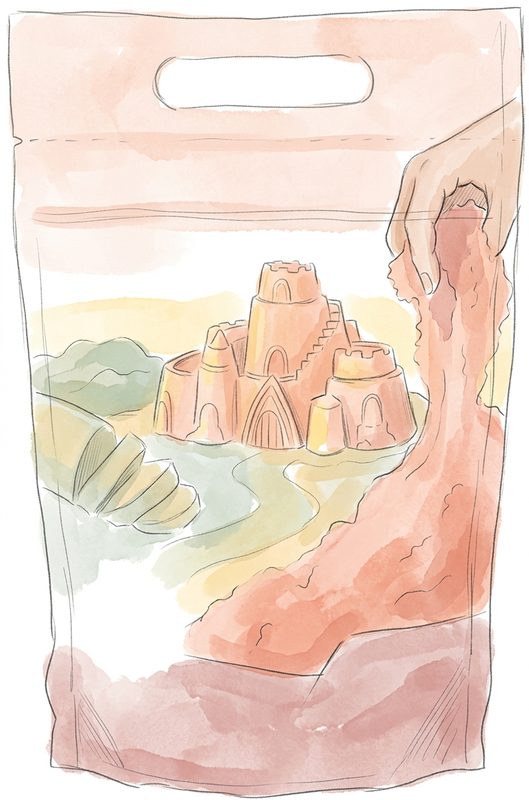
Kinetic Sand, The Original Moldable Sensory Play Sand Toys for Kids, Green, 2 lb.
Ages: 3+ yrs · Price: $8–$25 · Rating: 4.7/5
Kinetic sand is the rare tactile tool that satisfies sensory seekers and avoiders alike — it squishes without clinging to skin, so toddlers tolerate it longer than wet sand.
View on Amazon
SAM The Weighted Sensory Bear for Special Needs
Ages: 3-10 yrs · Price: $25–$60 · Rating: 4.7/5
A 4-pound weighted bear delivers safe deep-pressure input for lap-cuddles, car seats and pediatrician waiting rooms. Use awake-with-supervision only, never for sleep under age 5.
View on Amazon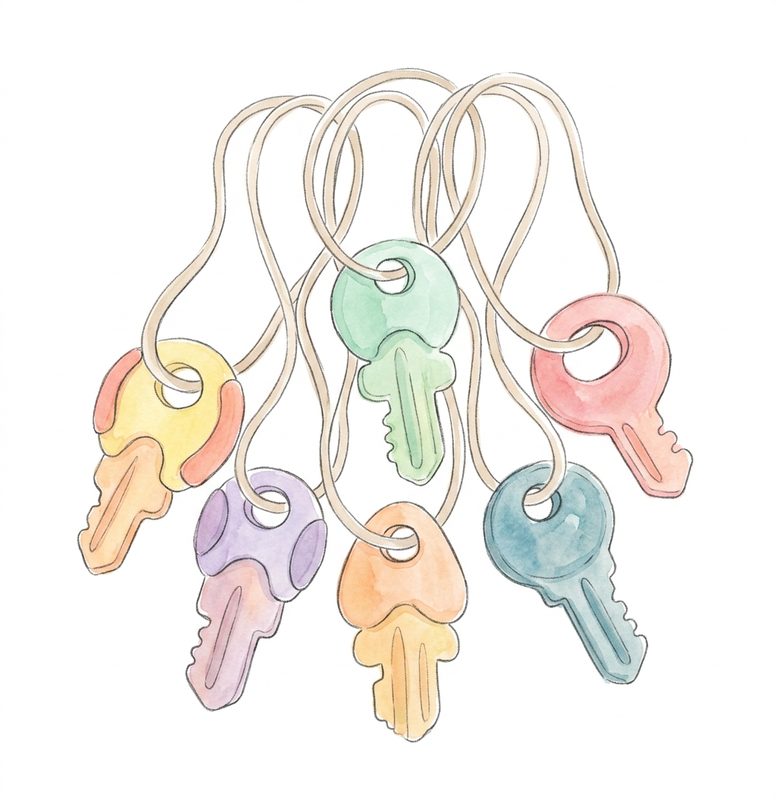
Sensory Chew Necklace for Boys and Girls, 6 Pack Stretch Chewing Necklaces for Kids
Ages: 3+ yrs · Price: $8–$25 · Rating: 4.7/5
Food-grade silicone chew necklace with a breakaway clasp redirects oral seeking away from shirt collars and pencils. The breakaway clasp is non-negotiable for any child under 5.
View on Amazon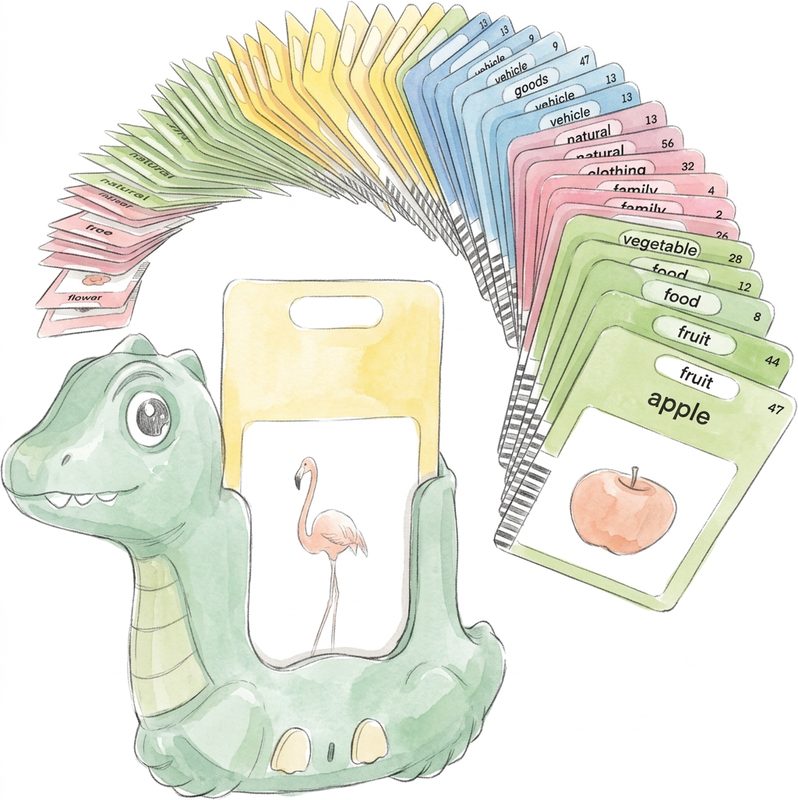
ALSOLIFE Communication Cards for Nonverbal Kids- 52 Flash Cards with Water Proof Album
Ages: 2+ yrs · Price: $8–$25 · Rating: 4.7/5
A portable 52-card PECS set gives nonverbal or minimally verbal toddlers their first reliable way to ask, refuse and request. AAC use does not delay speech (Romski et al., 2010).
View on AmazonWhat to skip at this age
- Weighted blankets (suffocation risk; AAP guidance)
- Fidget spinners (visually distracting, no real input)
- Small-piece sensory bins until oral seeking decreases
- Screen-based 'autism apps' — AAP recommends no screens before 18 months
Preschool Years (Ages 4–6): Adding Vestibular Movement & Visual Schedules
Around age 4, most autistic kids' nervous systems shift from needing input mostly on the body to needing big vestibular (head movement) input. This is the age when bouncing, swinging, spinning and climbing become non-negotiable. The classroom is also entering their world — preschool brings sit-down circle time, transitions between activities and adult-directed tasks. Visual schedules, first-then boards and active-seating tools start earning their keep here.
What this age actually needs
- Vestibular input (jumping, swinging, climbing)
- Visual structure for transitions
- Sustained-attention practice (3–8 minutes)
- Emotional vocabulary
Tools that earn their keep at this age
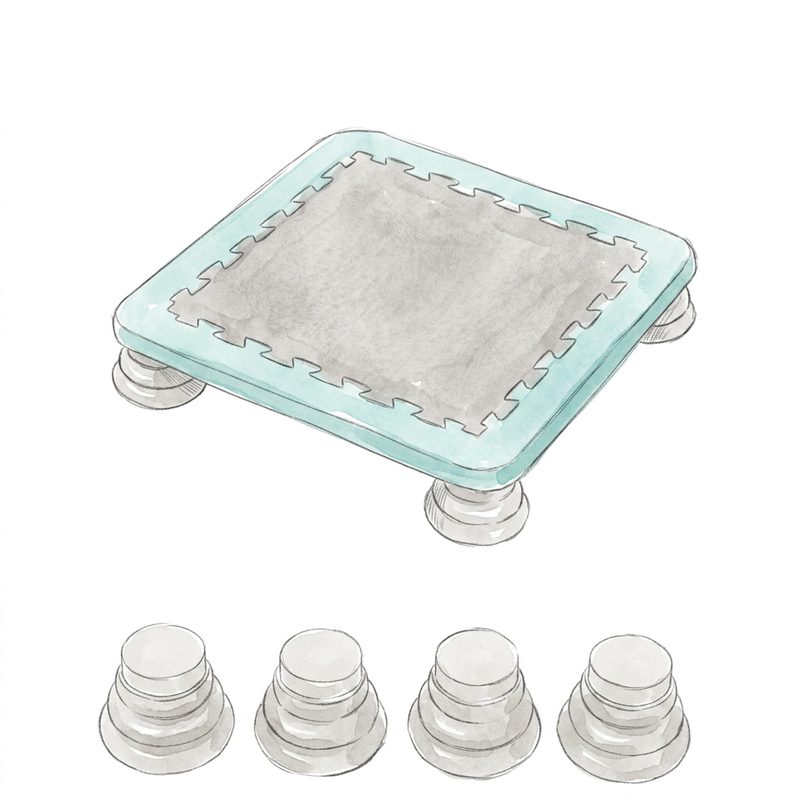
Sensory Trampoline for Autism Kids, 25 Inch Small Trampoline Indoor for Kids Age 3+,
Ages: 3-8 yrs · Price: $25–$60 · Rating: 4.7/5
An indoor mini-trampoline gives 5–10 minutes of vestibular input before circle time or homework. Pellegrini's 2005 research on movement-before-attention confirms the on-task gain is real and immediate.
View on Amazon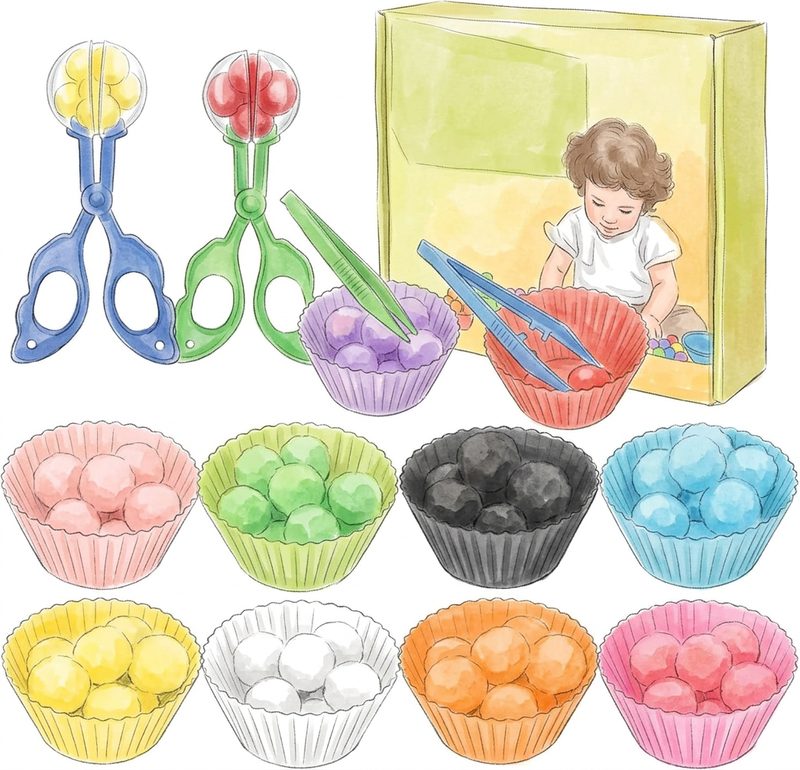
iCraftine 114 PCS Fine Motor Skills Sensory Bin Filler Includes 10 Sorting Bowls, 100
Ages: 3+ yrs · Price: $25–$60 · Rating: 4.7/5
Sorting bowls with pom-poms exercise matching, sustained attention and pincer grasp in one sitting. The single most-requested toy in pre-K OT rooms.
View on Amazon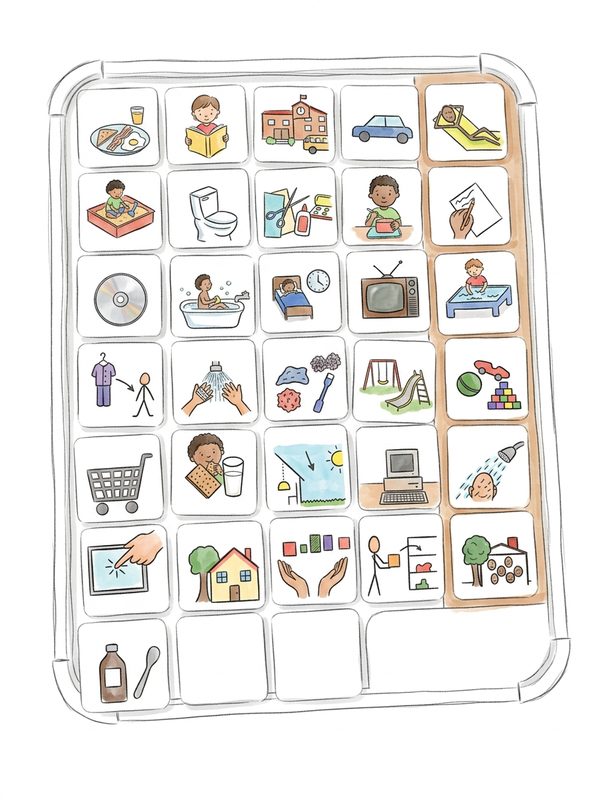
First Then Visual Schedule for Kids –Premium Durable Plastic –32 Communication Cards
Ages: 2-10 yrs · Price: $25–$60 · Rating: 4.7/5
A first-then board cuts transition meltdowns by externalizing the sequence: "first puzzle, then snack." Therapist-designed magnetic version stands up to daily preschool use.
View on Amazon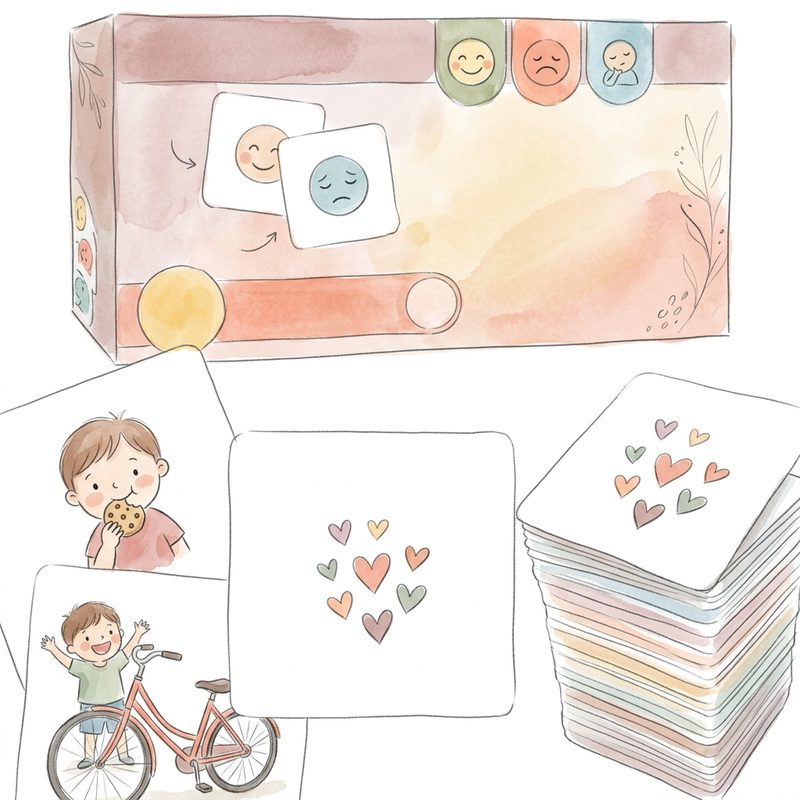
My Feelings and Emotions 27 PECS Flashcards for SEN Special Ed, Autism as Cue Cards,
Ages: 3+ yrs · Price: $8–$25 · Rating: 4.7/5
Emotion PECS cards build the affective vocabulary autistic preschoolers often miss when they can't generalize 'sad' from a face on page 4 of a book. SEL classroom standard.
View on Amazon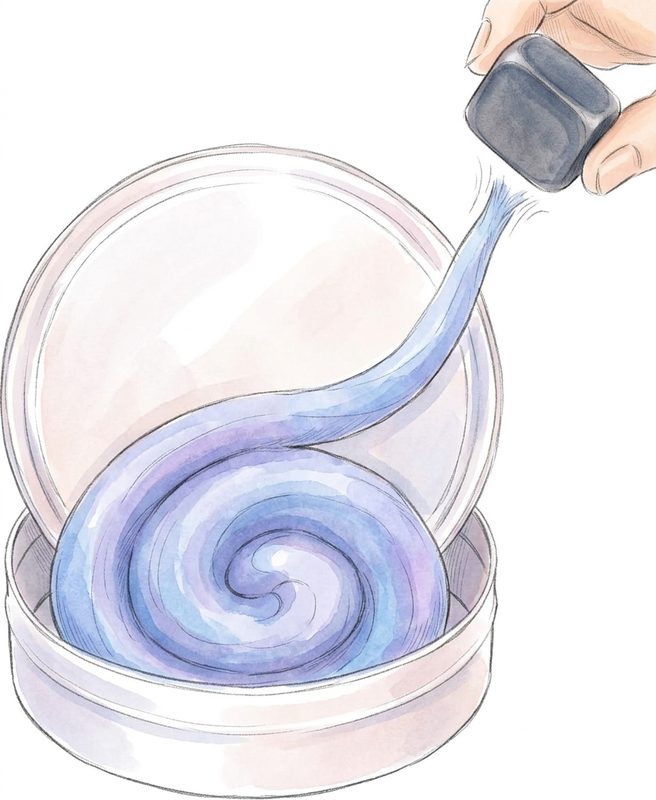
Crazy Aaron's Thinking Putty® - Tidal Wave - Super Magnetic Sensory Putty for Kids and
Ages: 3+ yrs · Price: $8–$25 · Rating: 4.7/5
Magnetic thinking putty is the silent fidget that survives daycare, pediatrician offices and grandparent visits. Hand-strengthening bonus for pre-writing.
View on AmazonWhat to skip at this age
- Tablet-based AAC before low-tech PECS is solid (slows generalization)
- Weighted vests heavier than 5% of body weight (compression rule for under-6)
- Toys with flashing lights or sudden loud sounds (over-arousal trigger)
Early Elementary (Ages 6–9): School-Ready Tools & Self-Regulation
Kindergarten through third grade is when sensory tools cross the threshold into the classroom. A wobble cushion at home is a hobby; a wobble cushion in the IEP is a school accommodation that lasts a decade. This is also the developmental window where your child begins to notice they are 'different' from peers — which means every tool you choose needs to pass the playground test: does it draw attention, or does it blend in? Schilling's 2003 study in the American Journal of Occupational Therapy showed therapy-ball seating improved both in-seat behavior and handwriting in children with attention challenges — and quietly enough that classmates did not single them out.
What this age actually needs
- Active classroom seating
- Quiet, discreet fidgets
- Time-awareness tools
- Independent self-regulation routines
Tools that earn their keep at this age
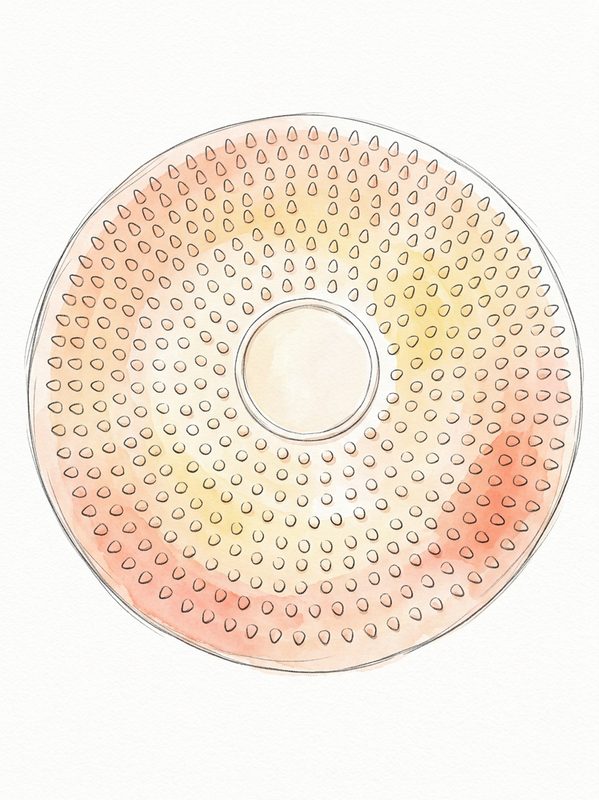
BouncyBand Wiggle Seat, Gray, 1-Pack – Small 10.75” D x 2.5” H Wobble Cushion for Kids
Ages: 4-10 yrs · Price: $8–$25 · Rating: 4.7/5
A wobble cushion satisfies the urge to move without leaving the seat. Write it into the IEP under accommodations so it follows your child to every grade, every sub, every standardized test.
View on Amazon
Florensi Weighted Lap Pad 3 lb – Blue Constellations – Portable Comfort Blanket – Soft
Ages: 4-12 yrs · Price: $8–$25 · Rating: 4.7/5
A 3-pound weighted lap pad with constellation print is the discreet classroom version of a weighted blanket. Schools approve it as a 504 accommodation routinely.
View on AmazonCrazy Aaron's Thinking Putty® - Tidal Wave - Super Magnetic Sensory Putty for Kids and
Ages: 3+ yrs · Price: $8–$25 · Rating: 4.7/5
Magnetic thinking putty in a desk caddy is silent, repeatable and won't dry out across a school year. Pair it with the rule: 'eyes on work, fidget below the desk.'
View on Amazon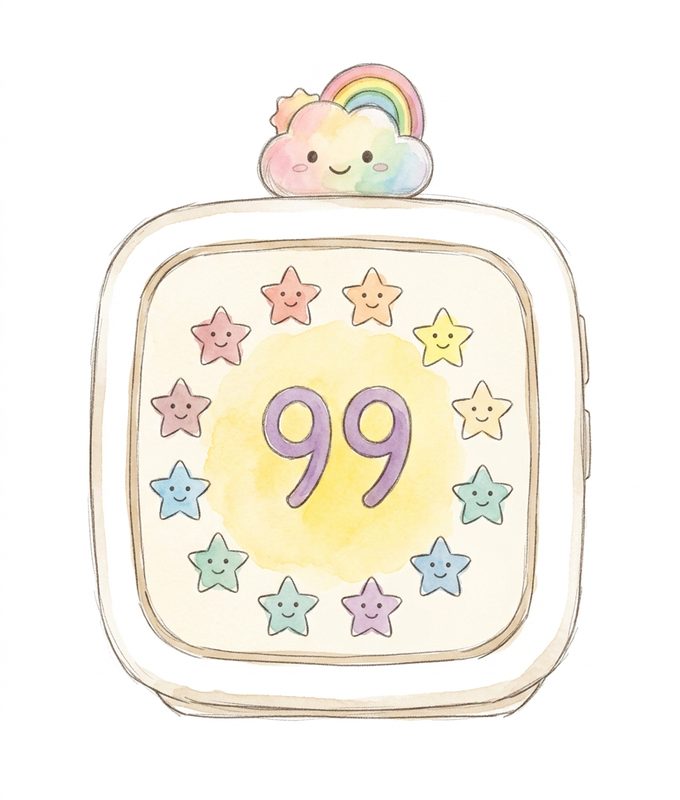
Visual Timer for Kids, 99 Minute Digital Cute Kids Visual Timer Classroom Timer for
Ages: 4+ yrs · Price: $8–$25 · Rating: 4.7/5
A visual timer with progress bars externalizes time — Russell Barkley's executive-function research shows visible time reduces the working-memory load on the ADHD/autistic brain by an order of magnitude.
View on Amazon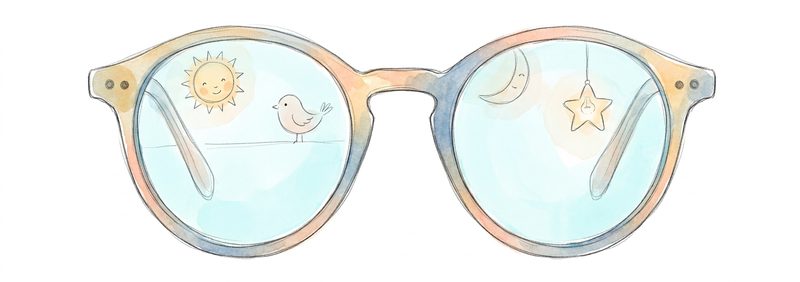
Spectra479 Blue Light Blocking Glasses for Kids - Computer Glasses for Boys and Girls,
Ages: 4-12 yrs · Price: $8–$25 · Rating: 4.7/5
Blue-light blocking glasses cut fluorescent-light glare in older school buildings, where lighting is a major (and rarely-noticed) trigger for autistic sensory overload.
View on AmazonWhat to skip at this age
- Anything that clicks, pops or rattles audibly — your child becomes 'the kid with the noisy toy'
- Spinner fidgets (banned in many schools and ineffective)
- Compression vests worn longer than 90 minutes at a stretch (OT guideline)
Tween Years (Ages 9–12): Discreet Tools & Independence Skills
The tween years are when stigma can hijack a perfectly working sensory plan. A child who happily used a chew necklace at 7 may refuse it at 10 because no one else wears one. Your job shifts from prescribing tools to building a menu your child chooses from — discreet versions, adult-style versions, tools that look like a fashion accessory or a phone case. This is also the age when the executive function gap between autistic and neurotypical peers widens, so external scaffolding (timers, planners, visual checklists) becomes essential rather than optional.
What this age actually needs
- Discreet, adult-style sensory tools
- Independent organization and time management
- Auditory regulation in middle-school environments
- Self-advocacy practice
Tools that earn their keep at this age
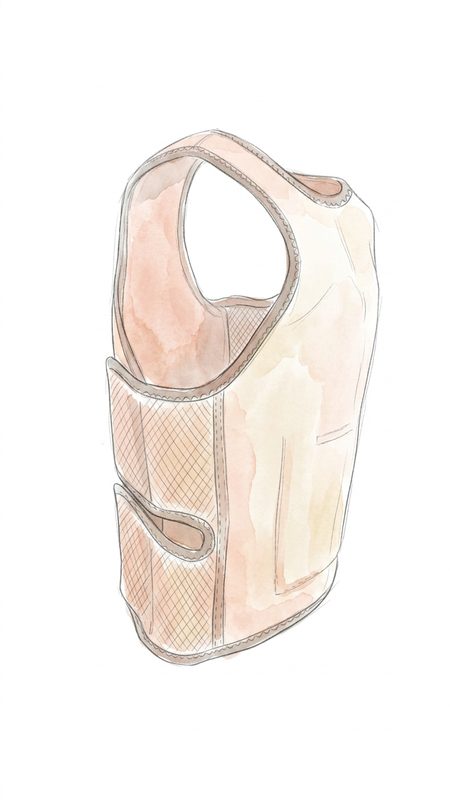
Special Supplies Compression and Weighted Vest - Deep Pressure Sensory Comfort -
Ages: 4-10 yrs · Price: $60–$120 · Rating: 4.7/5
A compression and weighted vest with adjustable hidden weights looks like an athletic layer. Tweens accept it where they would refuse a labeled 'sensory' product.
View on AmazonCrazy Aaron's Thinking Putty® - Tidal Wave - Super Magnetic Sensory Putty for Kids and
Ages: 3+ yrs · Price: $8–$25 · Rating: 4.7/5
Thinking putty is socially acceptable across all ages — adults use it in offices. A tween will use it where they refuse anything labeled 'special needs.'
View on AmazonVisual Timer for Kids, 99 Minute Digital Cute Kids Visual Timer Classroom Timer for
Ages: 4+ yrs · Price: $8–$25 · Rating: 4.7/5
A small visual timer on the desk supports the homework-planning skills tweens are still building. Pair it with a paper agenda for true executive-function scaffolding.
View on Amazon
Hycredi Kids Blue Light Blocking Glasses for Boys & Girls – Reduce Eye Strain from
Ages: 6-14 yrs · Price: $8–$25 · Rating: 4.7/5
Anti-glare blue-light glasses in a stylish unisex frame double as a sensory tool and a fashion accessory — exactly the dual-purpose tweens demand.
View on Amazon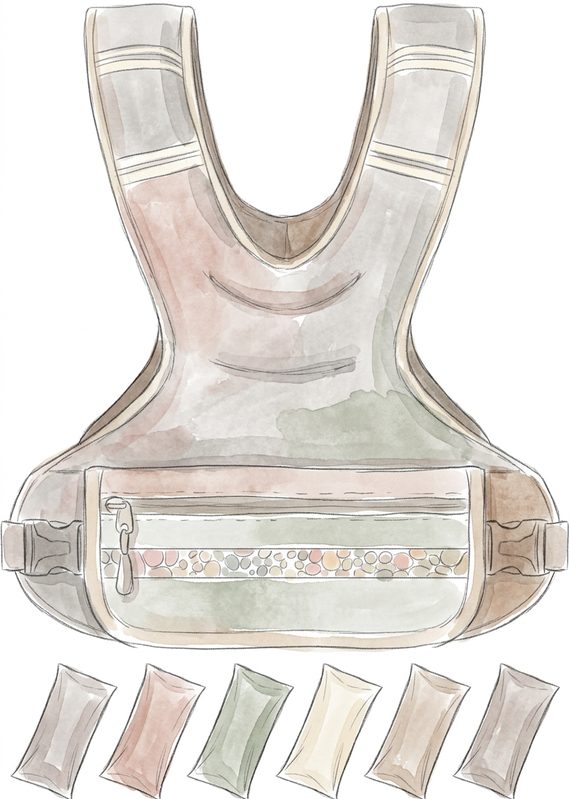
MAXTID Sensory Weighted Dual Texture Shoulder Wrap 4-Pounds for Adults
Ages: 8+ yrs · Price: $25–$60 · Rating: 4.7/5
A weighted shoulder wrap stays put during homework, looks like a heated neck pillow, and provides 4 pounds of organizing pressure when the math worksheet is taking a third hour.
View on AmazonWhat to skip at this age
- Chew necklaces worn visibly (offer chewable bracelets or pencil toppers instead)
- Cartoon-printed weighted blankets (offer solid colors or adult patterns)
- Anything labeled 'autism' on the packaging during shopping — let your tween choose discreetly
Teen Years (13+): Self-Selected Tools & Long-Term Regulation
By the teen years, sensory regulation is a life skill, not a childhood phase. The research is clear: autistic adults continue to benefit from the same proprioceptive and deep-pressure tools throughout life — what changes is the form. Your teen is the expert on their own body. Your job is to fund the experimentation, support their choices, and step out of the way. Tools at this age should be ones they can pack in a backpack, justify to a teacher, and use in college dorms two years from now without your prompting.
What this age actually needs
- Portable, dorm-ready sensory tools
- Self-advocacy language for college and workplace accommodations
- Sleep regulation
- Independent emotional self-regulation
Tools that earn their keep at this age
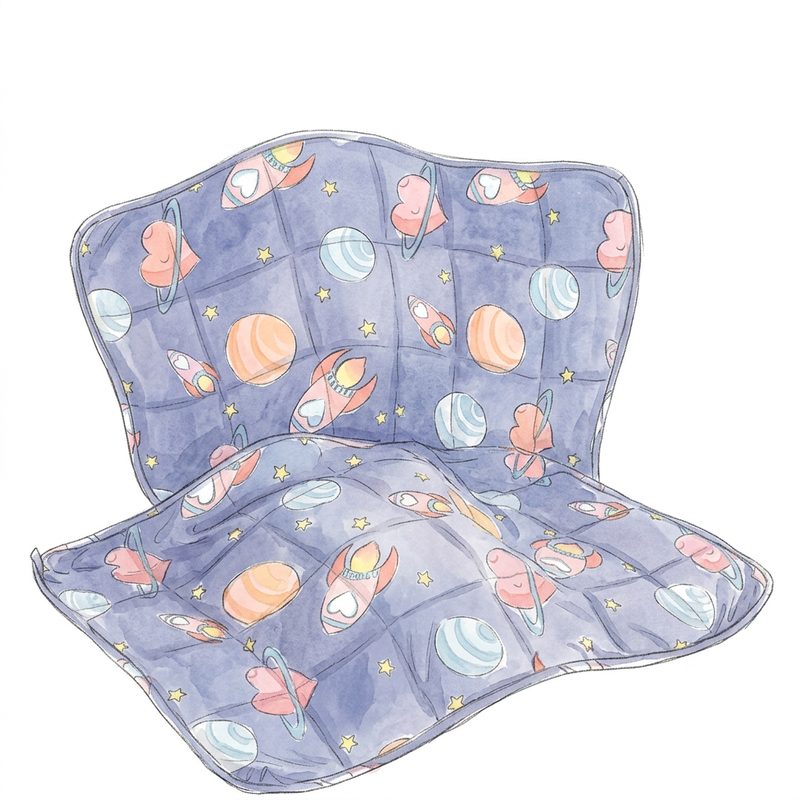
Super Soft Weighted Blanket for Kids with Removable Cover - 10 Lbs 48'' x 72''
Ages: 5-12 yrs · Price: $25–$60 · Rating: 4.7/5
A full 10-pound weighted blanket for sleep is the teen-bedroom workhorse. Use the 10% body-weight rule — for a 100-pound teen, 10 pounds is the ceiling.
View on Amazon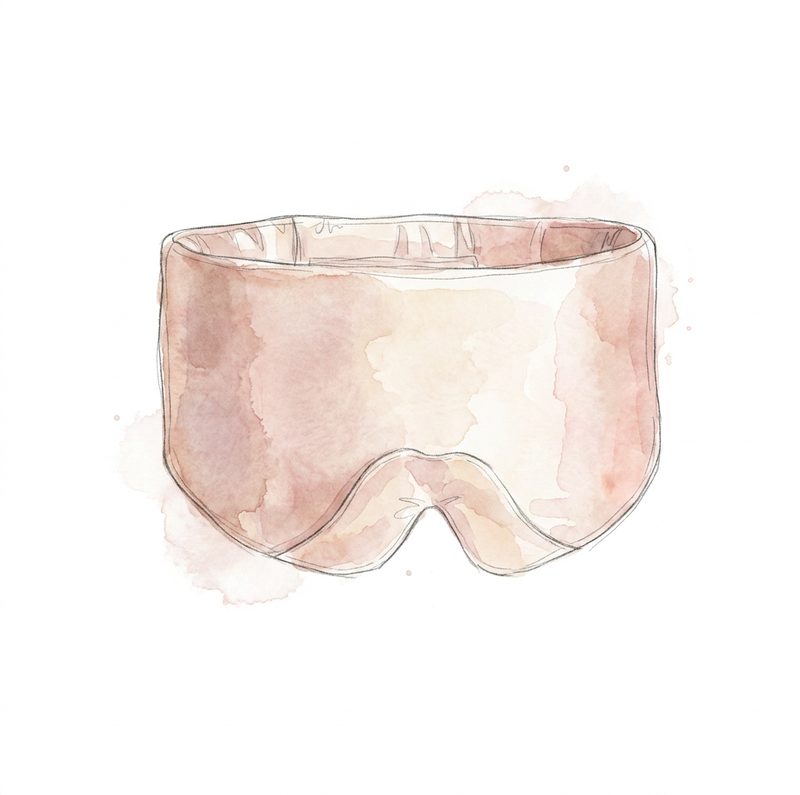
ASUTRA Kids Eye Pillow for Sleep, Gray Cotton Jersey | Filled w/Lavender Buds & Flax
Ages: 3-10 yrs · Price: $8–$25 · Rating: 4.7/5
A lavender-and-flax weighted eye pillow paired with the weighted blanket creates a complete sleep-regulation kit. Teens with autism average 30 fewer minutes of sleep per night than peers (Cohen et al., 2014); this combination consistently closes the gap.
View on AmazonMAXTID Sensory Weighted Dual Texture Shoulder Wrap 4-Pounds for Adults
Ages: 8+ yrs · Price: $25–$60 · Rating: 4.7/5
A weighted shoulder wrap is the homework, exam-prep and Zoom-call tool of the high-school years. Looks like a heating pad; works like a regulation tool.
View on AmazonSpectra479 Blue Light Blocking Glasses for Kids - Computer Glasses for Boys and Girls,
Ages: 4-12 yrs · Price: $8–$25 · Rating: 4.7/5
Blue-light glasses for screens are a teen-acceptable accommodation — the framing is 'gaming glasses' or 'screen glasses,' not 'sensory glasses.'
View on AmazonCrazy Aaron's Thinking Putty® - Tidal Wave - Super Magnetic Sensory Putty for Kids and
Ages: 3+ yrs · Price: $8–$25 · Rating: 4.7/5
Putty stays in the bag from kindergarten through college. The tool that consistently outlasts every other fidget.
View on AmazonWhat to skip at this age
- Any tool that requires a parent to set it up or reset it (teens won't use it)
- Anything that looks juvenile in a high-school setting
- Sleep tools that require batteries or apps (one outage = one bad night)
The cross-age rules that always apply
Regardless of which stage your child is in, a few principles hold from age 2 through age 18:
- Match the tool to the channel, not the diagnosis. "Autism" doesn't tell you what your child's nervous system needs — an OT evaluation does. A child who craves vestibular input needs different tools than one who avoids it.
- The 10% rule for weighted products. No weighted item should exceed 10% of your child's body weight. This applies to blankets (age 5+), lap pads, vests, and shoulder wraps.
- Quiet wins in school. Anything that clicks, pops or rattles will be confiscated by a substitute teacher within a week. Silent fidgets last.
- Write it into the IEP. A tool that lives in your child's IEP or 504 plan follows them across grades, substitutes and standardized tests. Use our Accommodation Finder to draft the list, then bring our IEP meeting agenda to the meeting.
- Watch for the stigma threshold. Around age 9 or 10, your child notices what other kids are using. The same tool in an "adult" version will be accepted where the kid-branded version is refused.
- Sleep is non-negotiable. Autistic kids and teens average 30 fewer minutes of sleep per night than peers (Cohen et al., 2014). A weighted blanket from age 5 onward is often the single highest-ROI sensory investment a family makes.
Frequently Asked Questions
References
- Ayres, A. J. (2005). Sensory Integration and the Child (25th Anniversary Edition). Western Psychological Services.
- Case-Smith, J., Weaver, L. L., & Fristad, M. A. (2015). A systematic review of sensory processing interventions for children with autism spectrum disorders. Autism, 19(2), 133–148.
- Cohen, S., Conduit, R., Lockley, S. W., Rajaratnam, S. M. W., & Cornish, K. M. (2014). The relationship between sleep and behavior in autism spectrum disorder: a review. Journal of Neurodevelopmental Disorders, 6(1), 44.
- Council on Communications and Media, American Academy of Pediatrics. (2016). Media and young minds. Pediatrics, 138(5).
- Kuypers, L. M. (2011). The Zones of Regulation. Think Social Publishing.
- Pellegrini, A. D., & Bohn, C. M. (2005). The role of recess in children's cognitive performance and school adjustment. Educational Researcher, 34(1), 13–19.
- Romski, M., Sevcik, R. A., Adamson, L. B., Cheslock, M., Smith, A., Barker, R. M., & Bakeman, R. (2010). Randomized comparison of augmented and nonaugmented language interventions for toddlers with developmental delays and their parents. Journal of Speech, Language, and Hearing Research, 53(2), 350–364.
- Schilling, D. L., Washington, K., Billingsley, F. F., & Deitz, J. (2003). Classroom seating for children with attention deficit hyperactivity disorder: Therapy balls versus chairs. American Journal of Occupational Therapy, 57(5), 534–541.
- STAR Institute for Sensory Processing. (2024). About sensory processing disorder.
Affiliate disclosure: Some links above are Amazon affiliate links. If you buy through them, IEP Tutor may earn a small commission at no additional cost to you. We only recommend tools we would put in our own kids' hands. IEP Tutor is not a law firm and does not provide legal advice.
Reviewed by our Special Education Advisory Team
Our articles are reviewed by a team of certified special education teachers, Board Certified Behavior Analysts (BCBAs), and parent advocates with combined experience supporting thousands of families through the IEP process.
Was this article helpful?