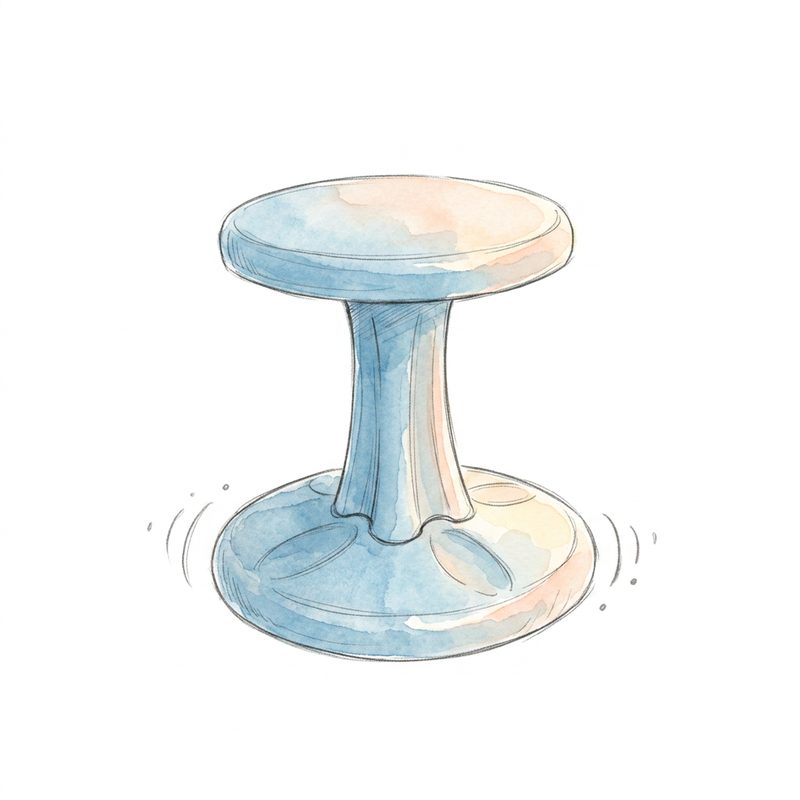
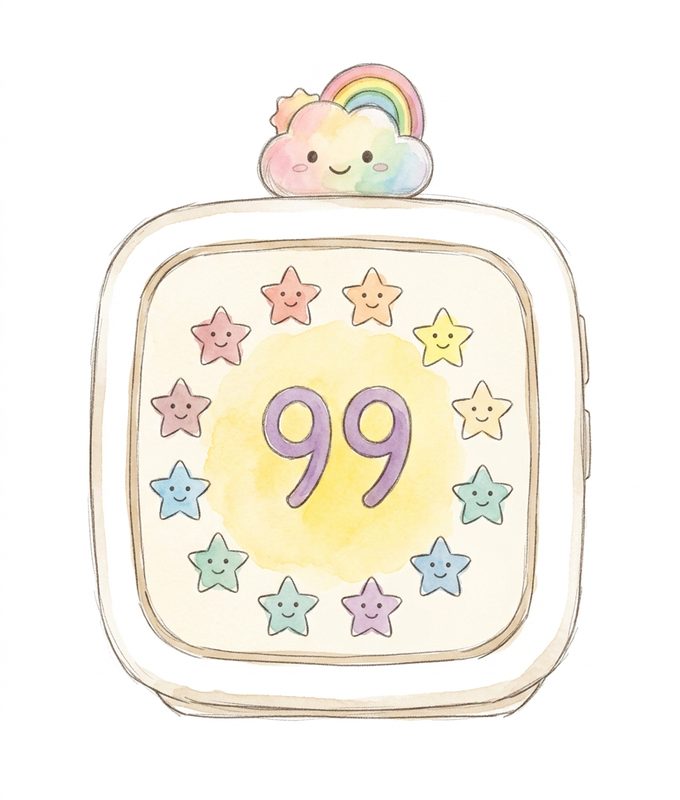
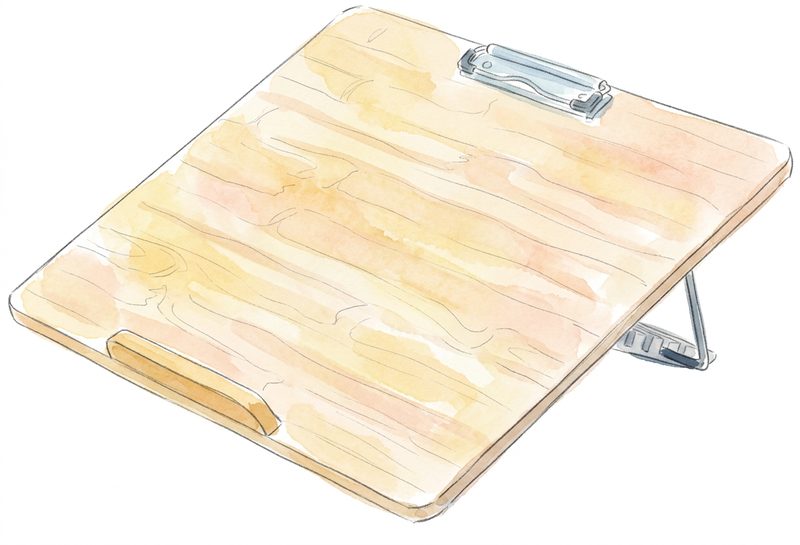
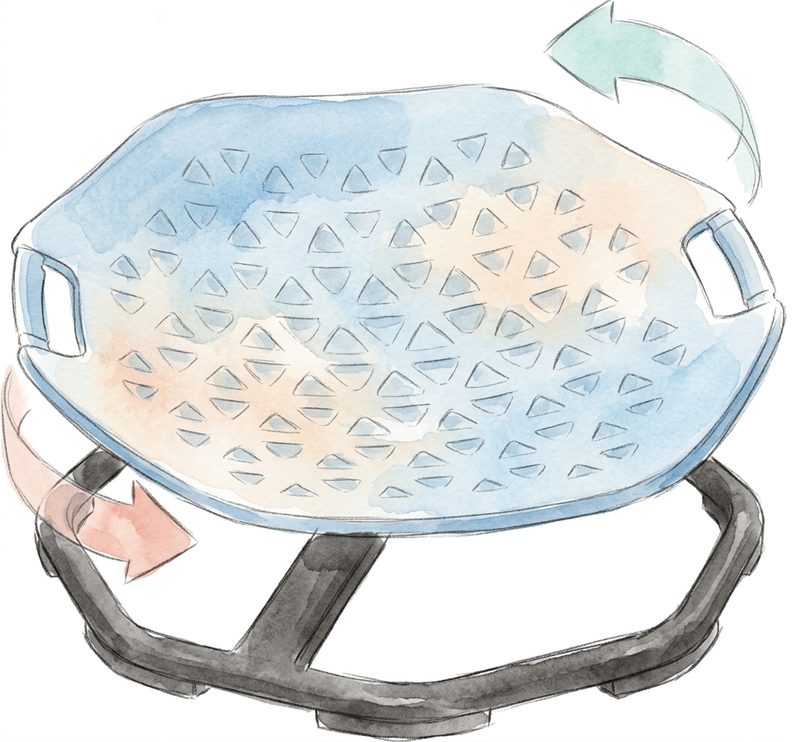
Start by identifying your child's primary classroom challenge. For children who can't sit still, wobble cushions and resistance bands on chair legs provide proprioceptive input that satisfies the need to move while staying seated. For handwriting difficulties, try different pencil grip styles — the Crossover grip works well for children who press too hard, while the Pinch grip helps children who hold pencils too loosely. Slant boards position paper at an ergonomic angle that reduces wrist strain and improves letter formation. Visual timers help children with ADHD and autism understand time passages and transition expectations. For children who are easily distracted, privacy folders or desk carrels create a focused workspace without isolating the student. When implementing new tools, introduce one at a time and allow 2–3 weeks for adjustment before evaluating effectiveness. Document which tools help in your child's IEP annual review.
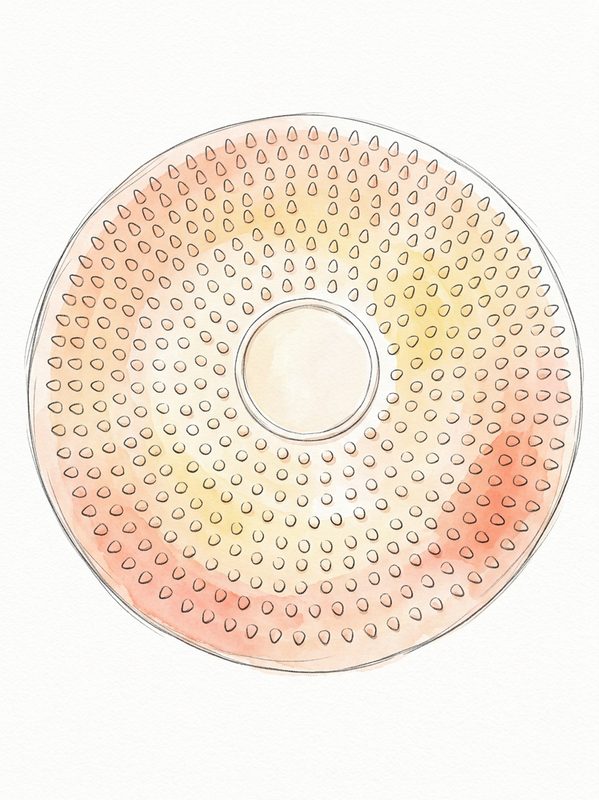 #1 Best Overall