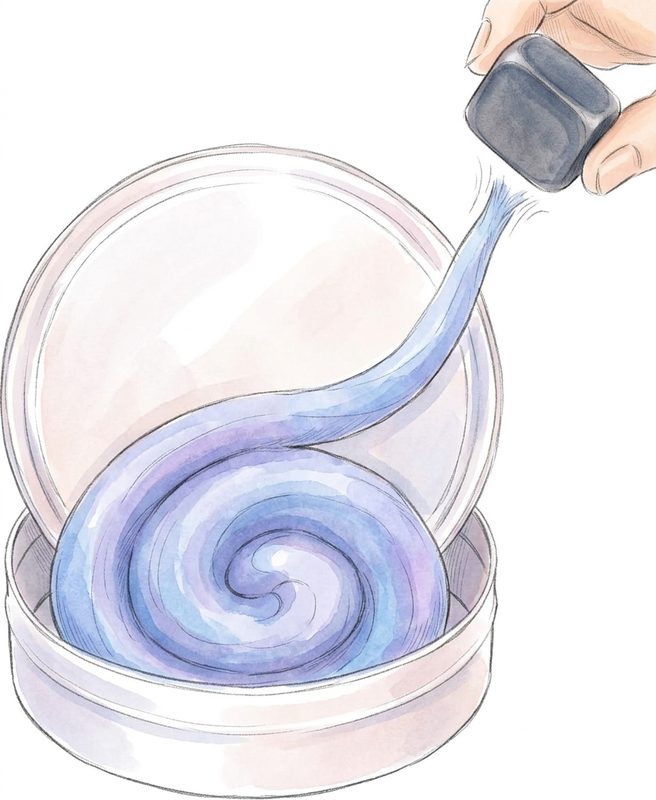
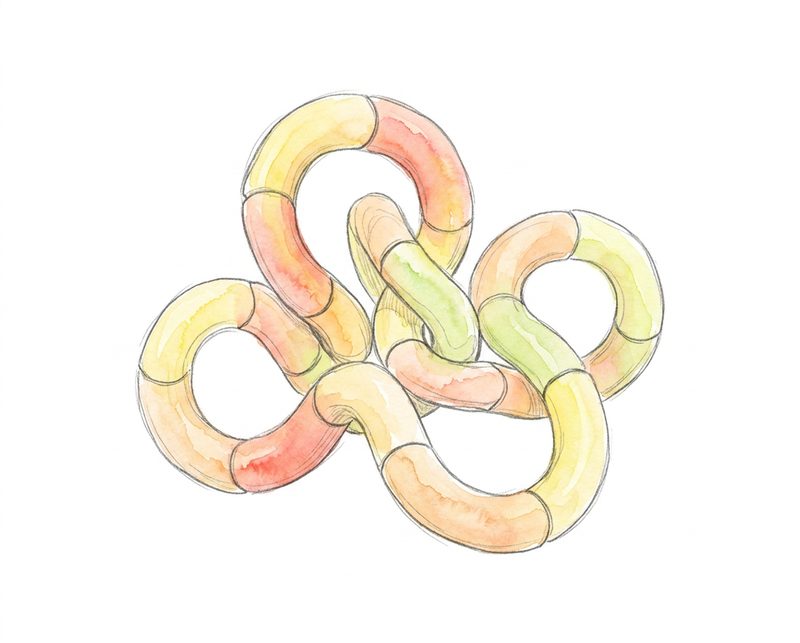
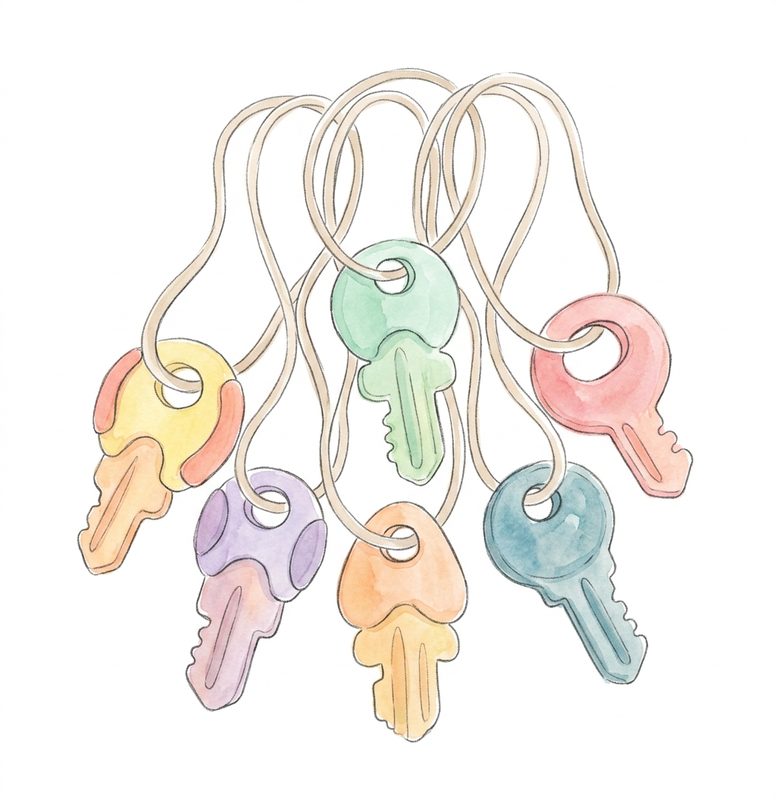
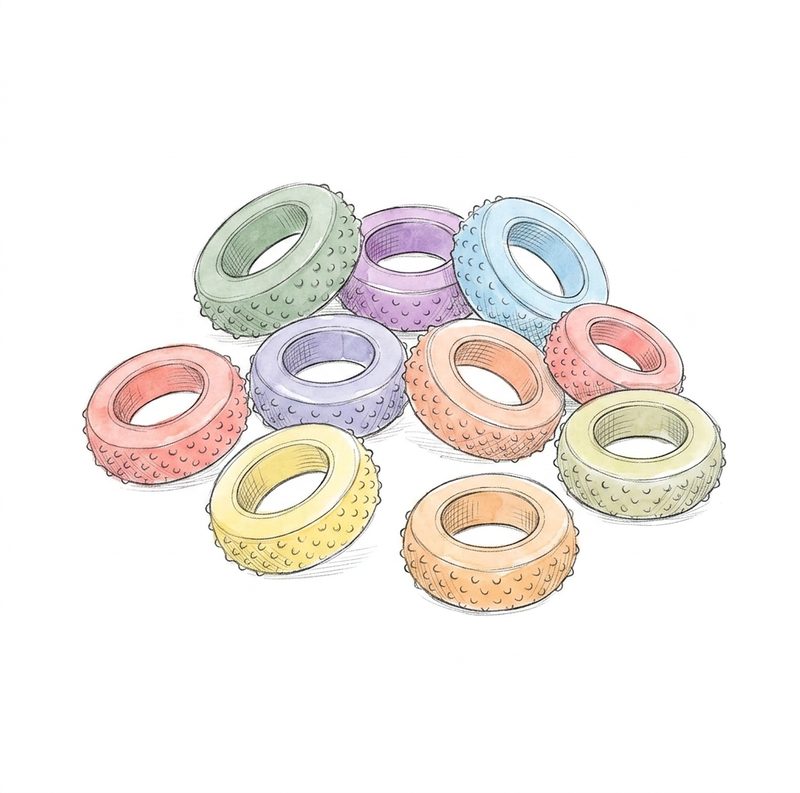
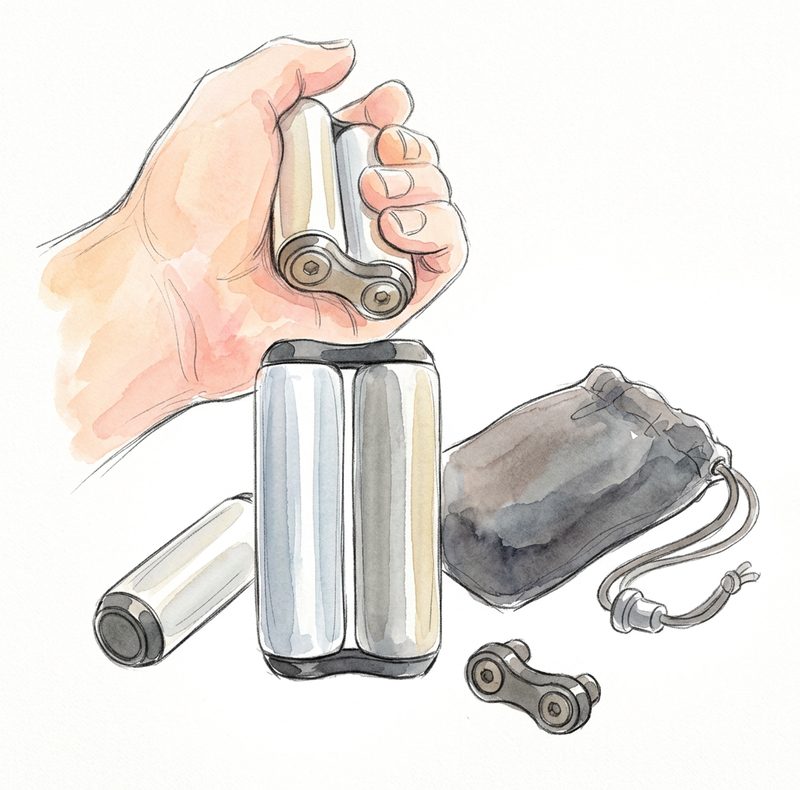
The most important factor in choosing a fidget tool is matching it to your child's sensory profile and the environment where they'll use it. For classroom use, the fidget must be silent — avoid clicking, popping, or metal-on-metal sounds. Putty and stress balls are excellent for children who seek proprioceptive input (squeezing, pressing). Textured fidget rings and strips work well for children who need tactile stimulation. Tangle toys and chain fidgets are ideal for children who need to keep their hands moving. Consider size and portability — a fidget that fits in a pocket or pencil case is more likely to be used consistently. Durability matters enormously with younger children; look for non-toxic materials that can withstand daily use. For children who put things in their mouths, chewable fidgets made from food-grade silicone are the safest option. Start with 2–3 different fidget types and let your child experiment to find what works best. Document which fidgets help in your child's IEP sensory plan.
 #1 Best Overall