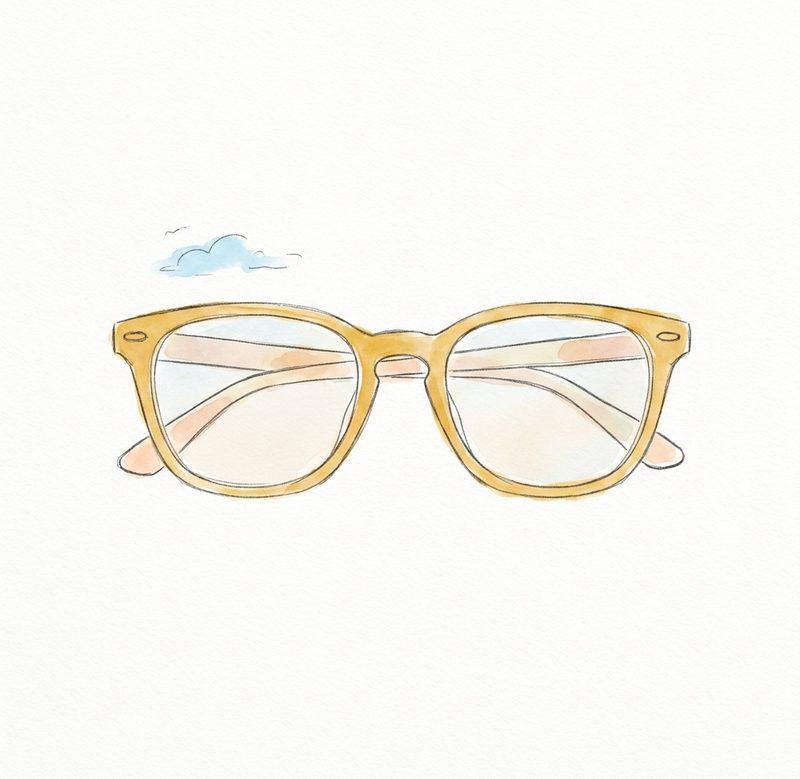
When choosing noise-reduction tools, distinguish between noise-canceling headphones (which use active electronics to reduce ambient sound) and passive ear defenders (which physically block sound). Active noise-canceling is better for continuous background noise like classroom HVAC or cafeteria din. Passive ear defenders are simpler, don't require batteries, and are often preferred for younger children. For headphones, look for adjustable headbands that fit small heads, cushioned ear cups, and a noise reduction rating (NRR) of at least 22dB. For light sensitivity, tinted glasses with specific wavelength filtering (often rose, amber, or gray-green tints) can dramatically reduce visual overload from fluorescent lighting. Consult a behavioral optometrist if your child has significant light sensitivity. Classroom light filters that attach to fluorescent fixtures are an excellent accommodation to request in your child's IEP. For children who need both noise and light reduction, consider creating a portable sensory kit with headphones, tinted glasses, and a small tent or privacy pop for a quick reset space.
 #1 Best Overall